
Packing List
A few recommendations setup based on real high-altitude conditions in the Andes. Everything here is chosen to keep you warm, efficient, and prepared for rapidly changing environments—without carrying more than you need.
Our Ultimate Packing List for the Andes
Discover everything you need to bring for your incredible Ascend Andes Expedition. In this section, we will provide info on what you should bring, what to look for, and our personal favorites with links to take you to them as well! You will find detailed descriptions on every item necessary for your adventure! Yay! We are happy you are here!
We have separated each category by body part and activity. That way, you can plan based on the type of adventure you've chosen to embark on!
The Essentials & Packs
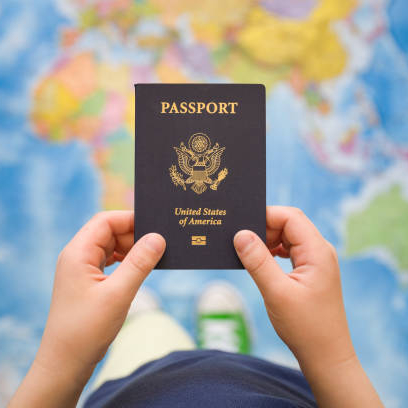
Documents
Yup! Your passport. It's obviously required to get into the country, but it is required on treks in Peru. Foreigners must show their passport on checkpoints since some routes have strict limits on how many people can walk the trail daily. If you are ending your trip in Macchu Picchu, you won't be allowed in without it.
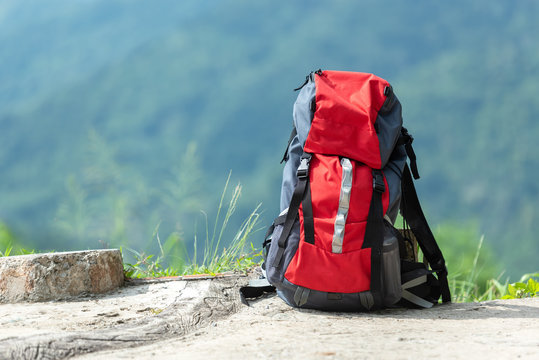
Day Pack
Our treks typically have a horse or mule to carry your belongings in a duffel bag, but the daypack is essential for you and your belongings that you may need throughout the day or anything extra that cannot fit in the duffel bag. Osprey packs are great! 35 or 45 liter bags would suffice.
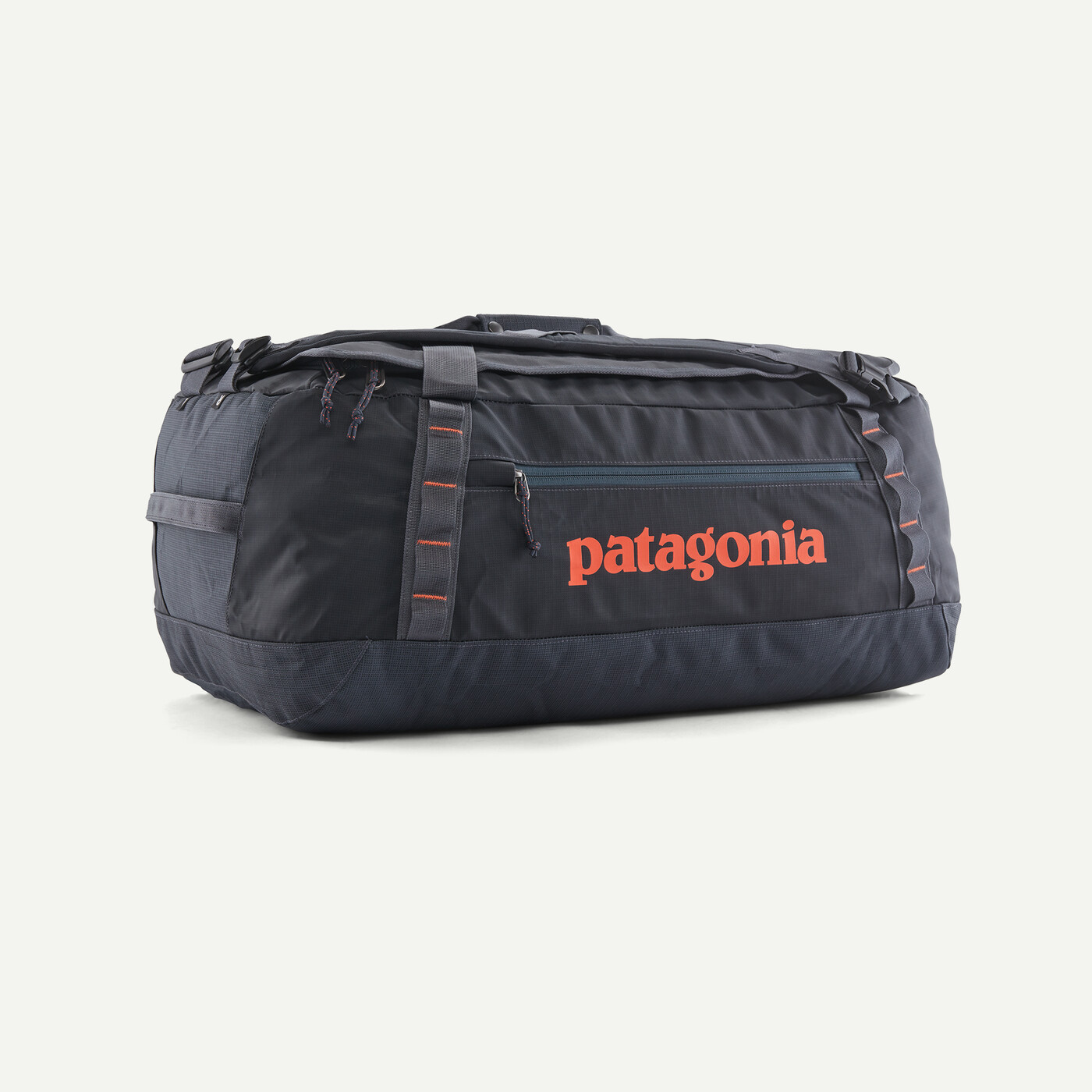
Duffel Bag
Duffel bags are provided for your belongings the day before each multi-day trip. You are allowed up to 7 kg/15.4 lbs per duffel bag. Horsemen will carry your food and camping gear through out the the trek. Please note that the duffel bag will not be available to you because the horsemen will be ahead of us.
Clothing & Outerwear
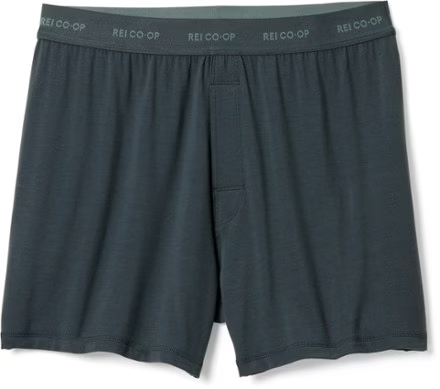
Underwear
Choosing the right outdoor underwear is key to staying comfortable on long treks. Moisture-wicking, quick-drying fabrics like merino wool or synthetic blends help prevent chafing and keep you dry during strenuous hikes. A snug yet breathable fit provides support without restriction, while flat seams reduce irritation. Prioritizing odor-resistant and durable materials ensures lasting comfort, whether you're tackling multi-day adventures or high-altitude climbs.
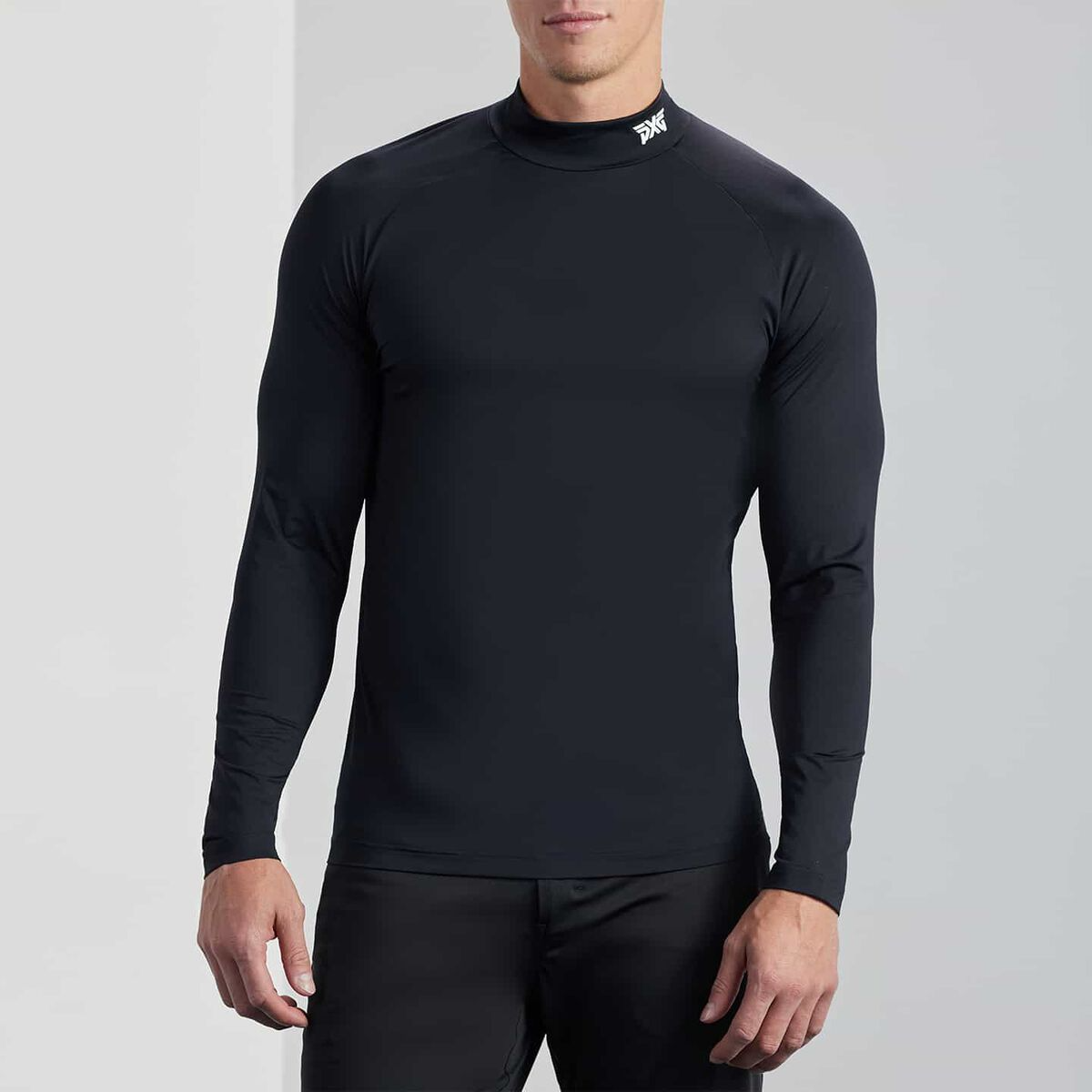
Base Layer
A moisture-wicking base layer is essential for staying comfortable on high-altitude treks. Designed to regulate body temperature and keep sweat off your skin, these layers help you stay dry and warm in cold conditions and cool during intense hikes. We recommend lightweight, breathable materials like merino wool or synthetic blends that provide warmth without overheating. Base layers also add an extra level of protection against the elements when paired with an insulating mid-layer and a waterproof shell.
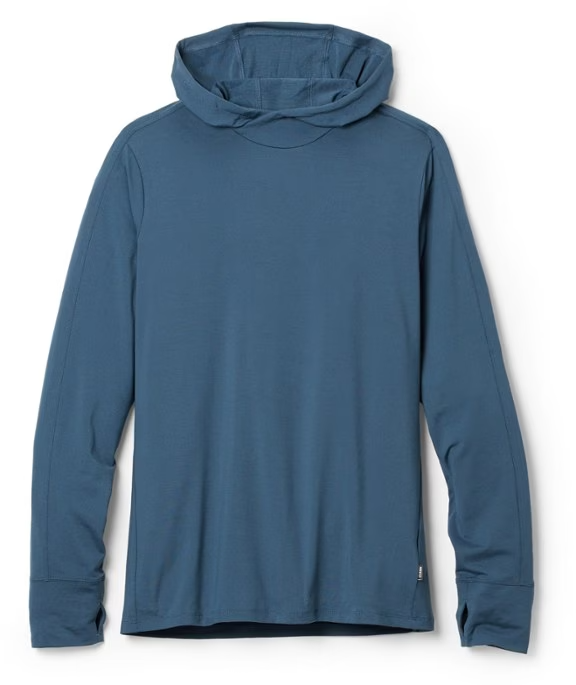
Sun Hoodie
Sunshirt hoodies are provided for protection against sun and wind during your trek. These lightweight, breathable hoodies offer UPF protection and moisture-wicking fabric to keep you cool and comfortable at high altitudes. Just like the REI Sahara, they are designed for adventure, offering full coverage without sacrificing breathability, making them perfect for long days on the trail.
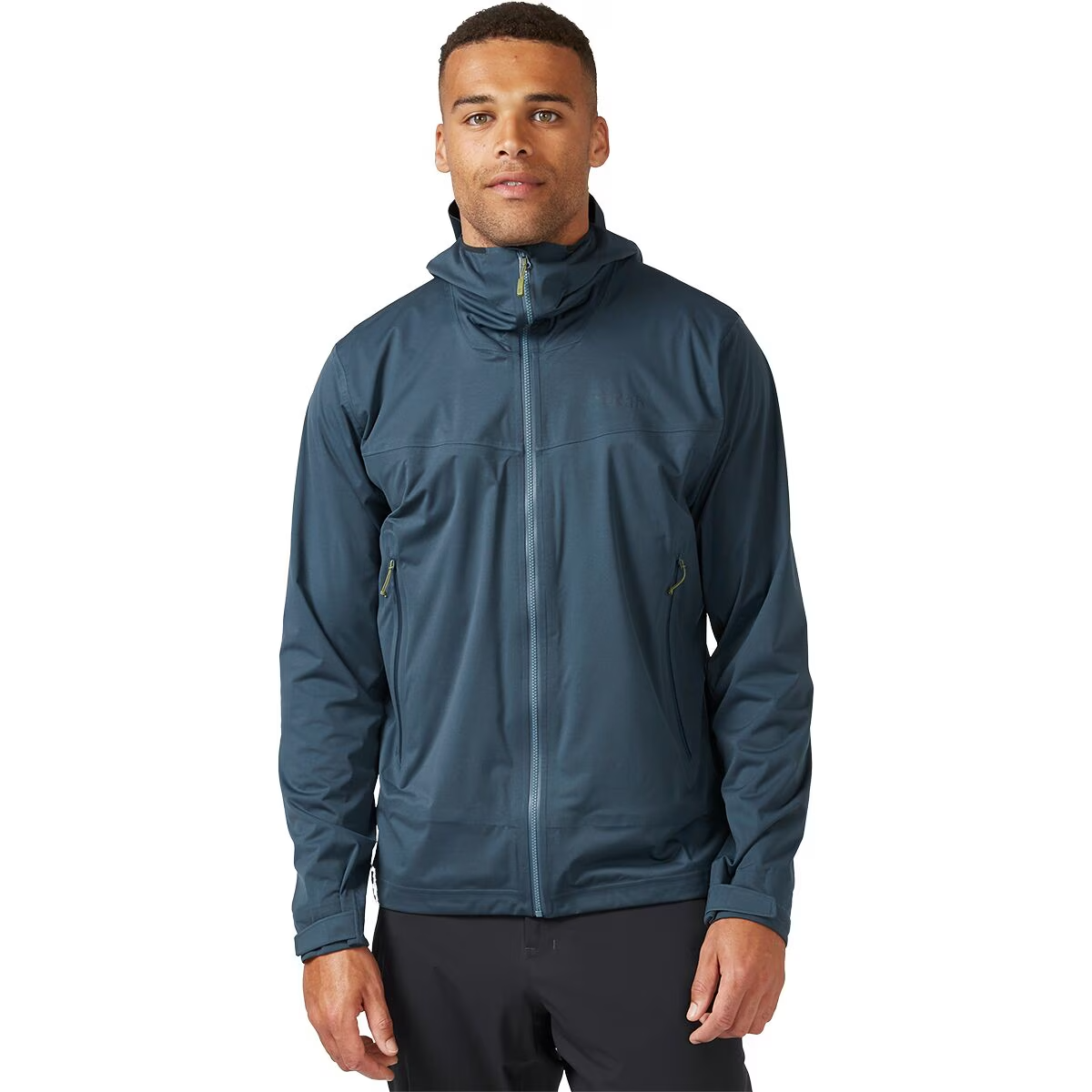
Hardshell Jacket
A hardshell jacket is essential for staying dry and protected in harsh weather while maintaining breathability during high-intensity activities. Designed with durable, waterproof, and windproof materials, it’s ideal for mountaineering, alpine climbing, backcountry skiing, and year-round trekking. The Rab Kinetic Alpine 2.0 offers reliable protection without compromising on quality. A well-chosen hardshell shields you from the elements and enhances your outdoor experience, letting you focus on the adventure ahead.
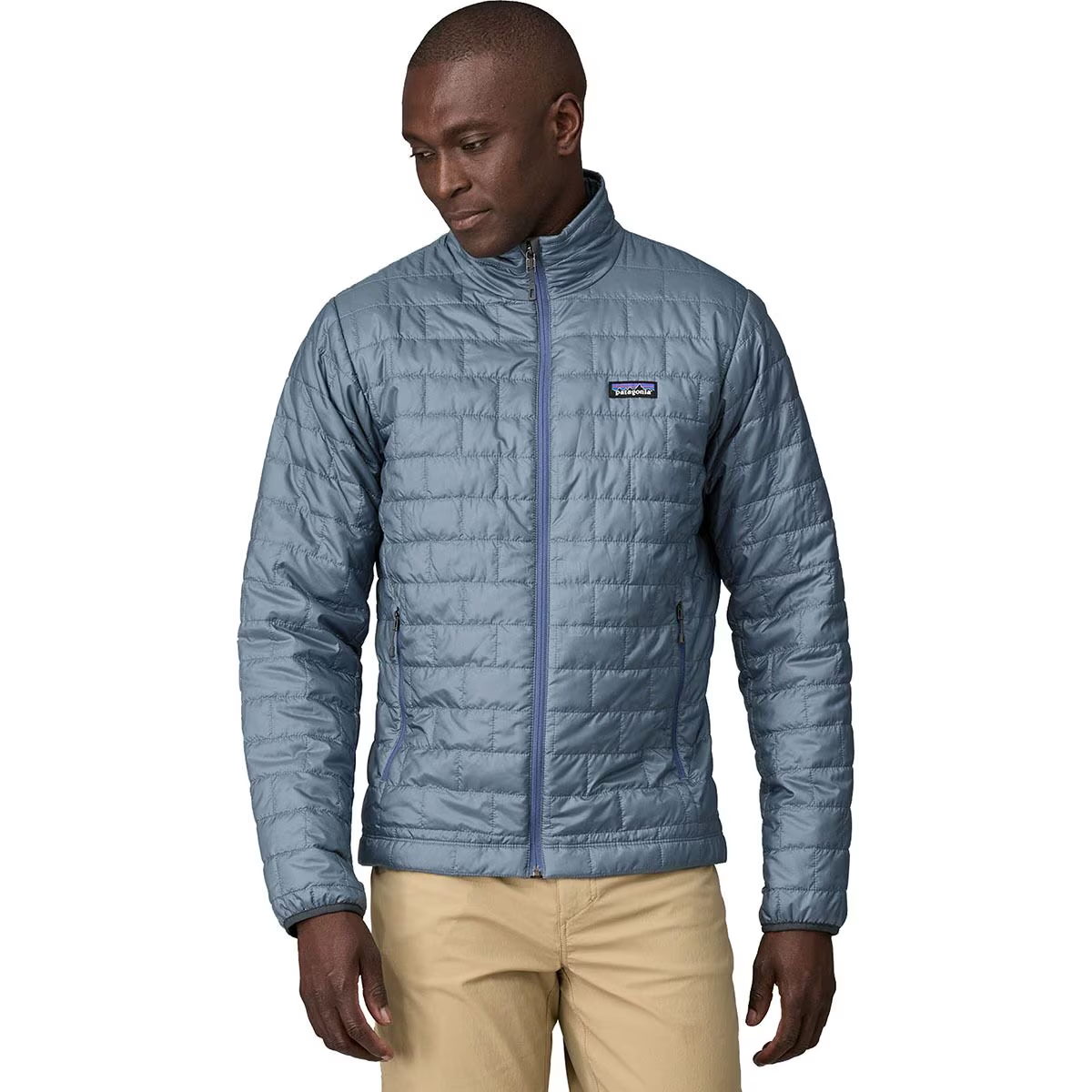
Insulated Jacket
An insulated jacket is key for warmth in cold conditions, whether you're trekking in the mountains or exploring high-altitude trails. Designed to trap body heat while remaining lightweight and packable, it provides essential insulation without adding bulk. The Patagonia Nano Puff offers reliable warmth with synthetic insulation that performs even when wet, making it a versatile choice for varying conditions. A quality insulated jacket ensures you stay comfortable and warm, allowing you to fully enjoy your outdoor adventures.
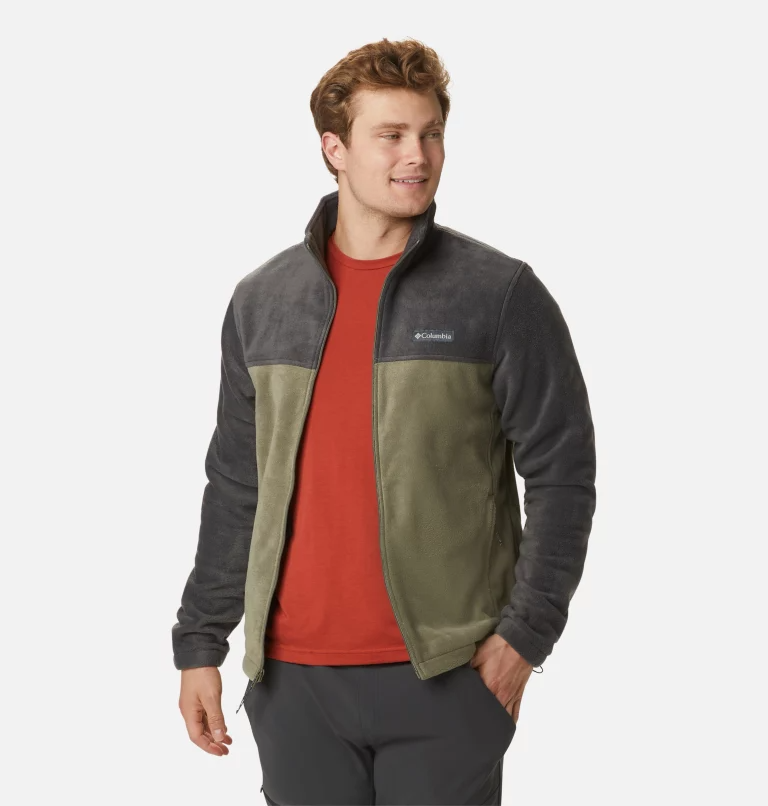
Fleece Jacket
A fleece jacket is a versatile layer that provides warmth and breathability, making it perfect for chilly mornings and high-altitude treks. Soft, lightweight, and moisture-wicking, it helps regulate body temperature while remaining comfortable under a shell or worn on its own. The Columbia Steens Mountain Fleece is a reliable option, offering cozy insulation without unnecessary bulk. Whether you're hiking, camping, or just enjoying the outdoors, a fleece jacket is an essential part of your layering system.
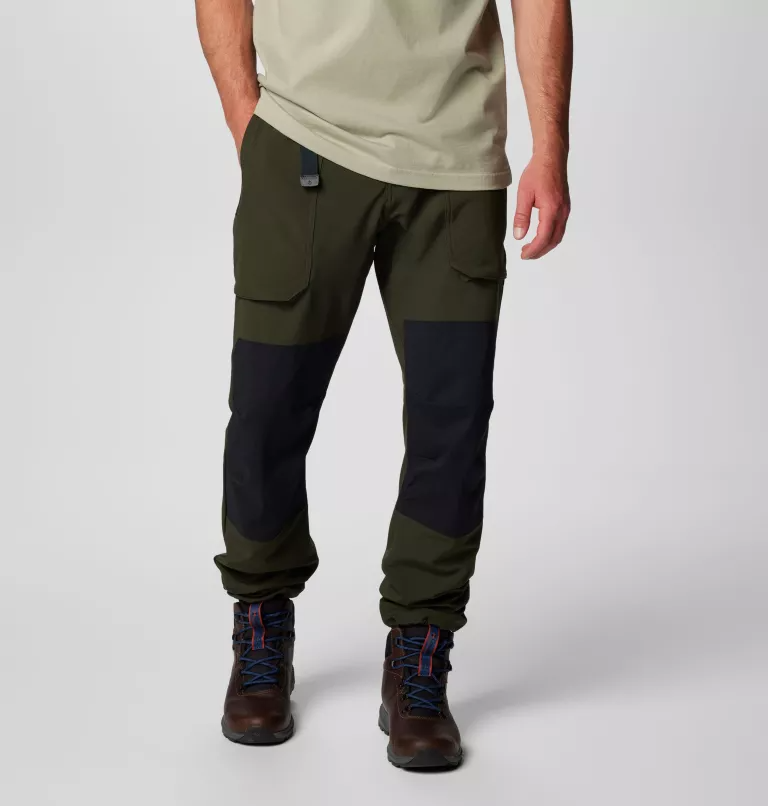
Hiking Pants & Shorts
Hiking pants are designed for comfort, durability, and mobility on the trail. Lightweight, quick-drying, and often featuring stretch fabric, they provide ease of movement while protecting against the elements. Many options include water-resistant coatings and zip-off legs for added versatility. The Prana Stretch Zion Pants are a great example, offering abrasion resistance, UPF protection, and breathability for long days on the trail. Whether navigating rugged terrain or relaxing at camp, a good pair of hiking pants ensures all-day comfort.
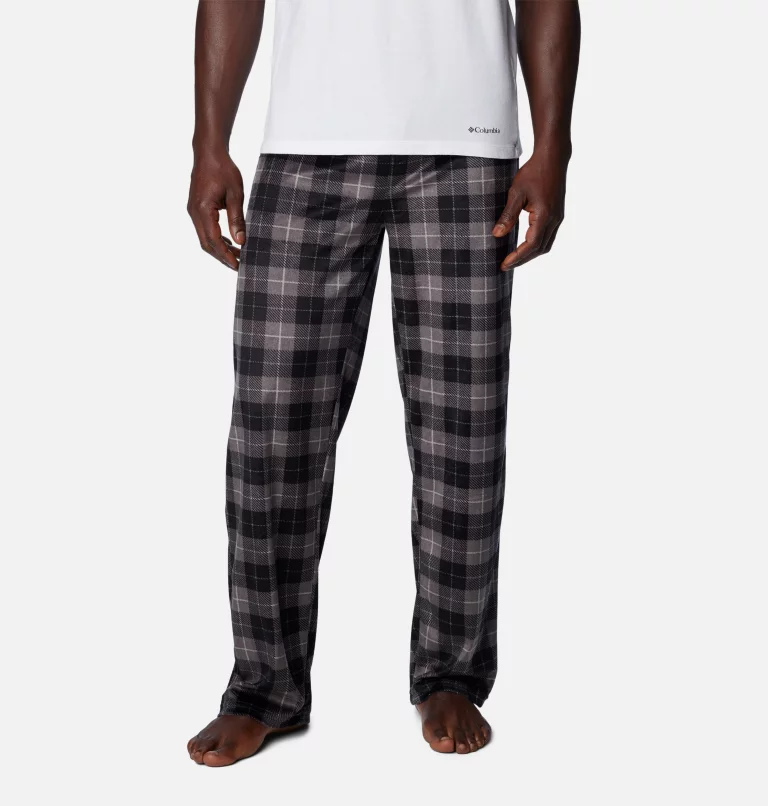
Pajama Pants
A comfortable pair of pajama pants is essential for staying warm and cozy at camp or in your sleeping bag after a long day of trekking. Opt for soft, breathable fabrics like fleece or merino wool to help regulate body temperature while providing insulation against cold nights in the Andes. A lightweight yet warm pair will ensure restful sleep, preparing you for the next day's adventure.
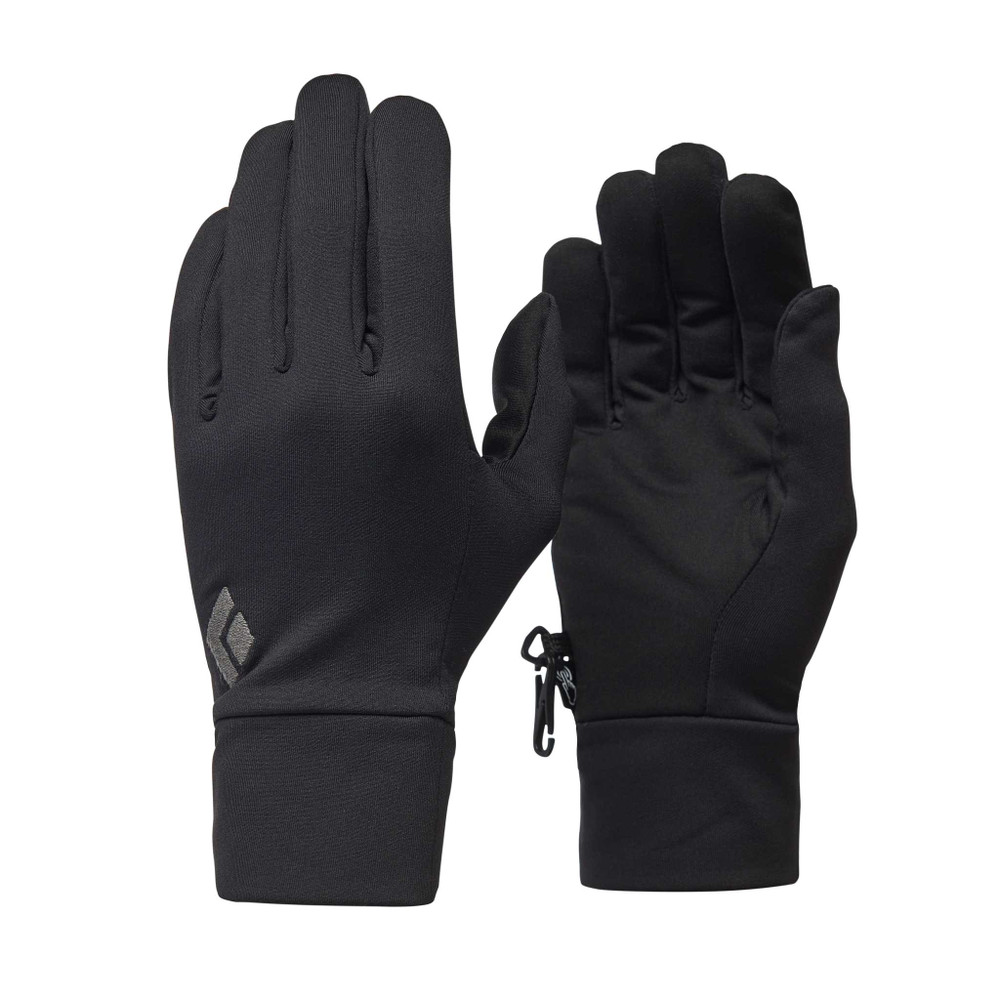
Liner & Outer Gloves
Liner Gloves
Liner gloves offer an essential base layer for hand protection in cold conditions. They provide light insulation, wick moisture, and can be worn alone in mild weather or under heavier gloves for added warmth. A great option is the Smartwool Liner Gloves, made from merino wool for breathability and warmth while remaining lightweight and dexterous.
Outer Gloves
For trekking in the Andes, durable and insulated outer gloves are necessary to protect against wind, snow, and freezing temperatures. Look for waterproof, windproof materials with insulation for warmth without sacrificing mobility. The Outdoor Research Alti Gloves are an excellent choice, featuring Gore-Tex protection and PrimaLoft insulation to keep hands warm and dry in extreme conditions.
Headwear & Gear
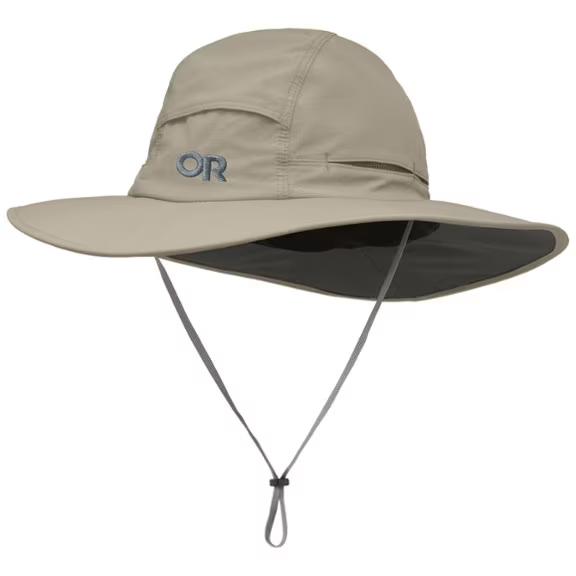
Sun Hat & Beanie
Sun Hat
A sun hat is essential for trekking in the Andes, where the high-altitude sun can be intense. Look for a wide-brimmed, breathable hat with UPF protection to shield your face and neck from harmful UV rays. A great choice is the Columbia Bora Bora Booney Hat, which features moisture-wicking fabric, mesh ventilation, and an adjustable drawcord for a secure fit in windy conditions.
Beanie
Cold mornings and high-altitude camps call for a warm, insulating beanie. A snug, moisture-wicking option helps retain heat while remaining breathable. The Patagonia Fisherman’s Rolled Beanie is a solid choice, made from recycled polyester that provides warmth and comfort without excessive bulk, perfect for layering under a hood or helmet.
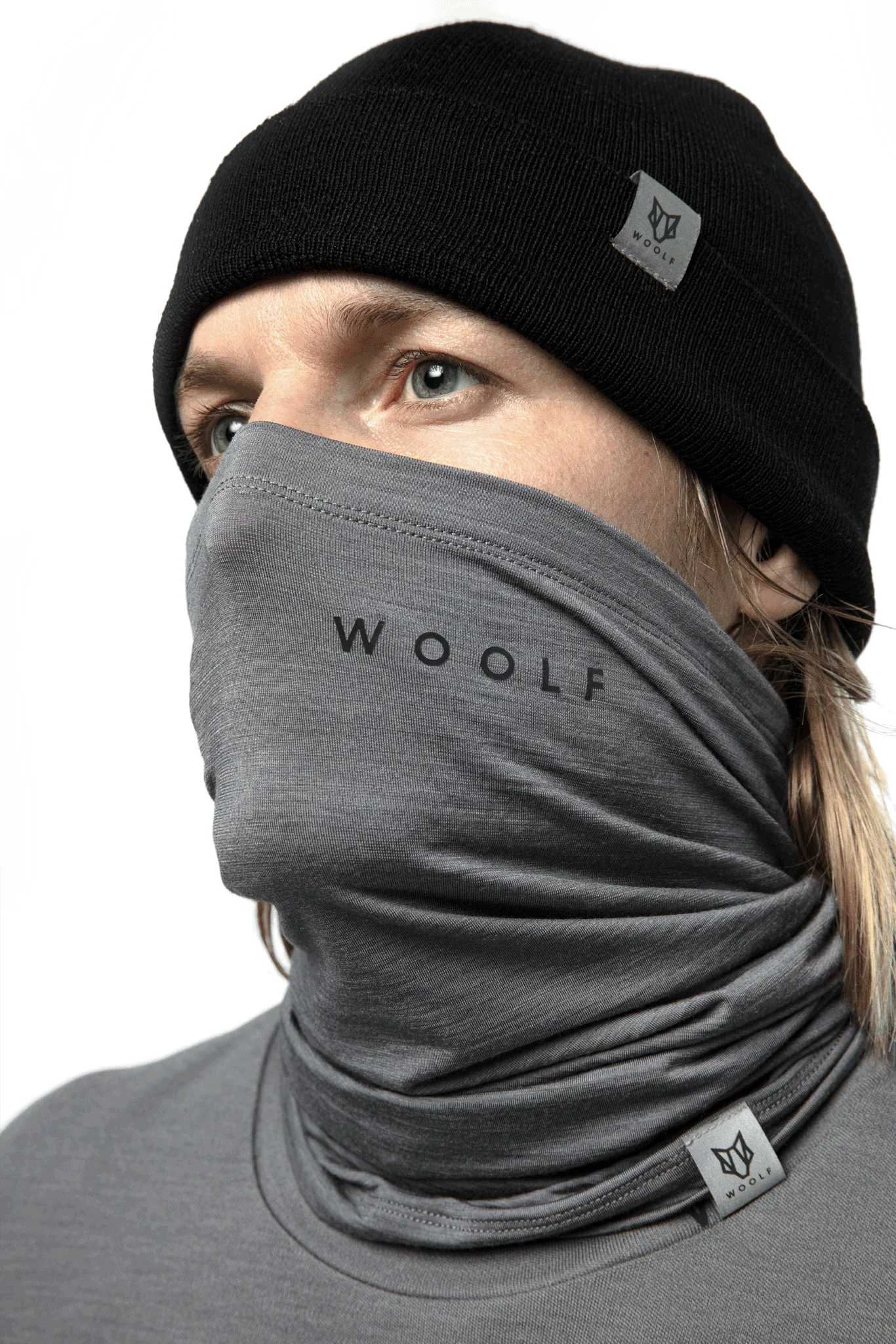
Neck Gaiter & Balaclava
Neck Gaiter
A neck gaiter is a versatile piece of gear that protects against sun, wind, and cold temperatures while trekking in the Andes. Lightweight and breathable, it can be worn around the neck, pulled up over the face, or even used as a headband. The Buff Original EcoStretch Neck Gaiter is a great option, made from recycled materials with UPF 50 protection, moisture-wicking properties, and seamless construction for all-day comfort.
Balaclava
For extreme cold and high-altitude trekking, a balaclava offers full-face coverage against wind and freezing temperatures. Designed to fit under a helmet or hood, it provides warmth while allowing breathability. The Outdoor Research Ninjaclava is a solid choice, featuring a wind-resistant face panel, moisture-wicking fabric, and a hinged design for adjustable coverage.
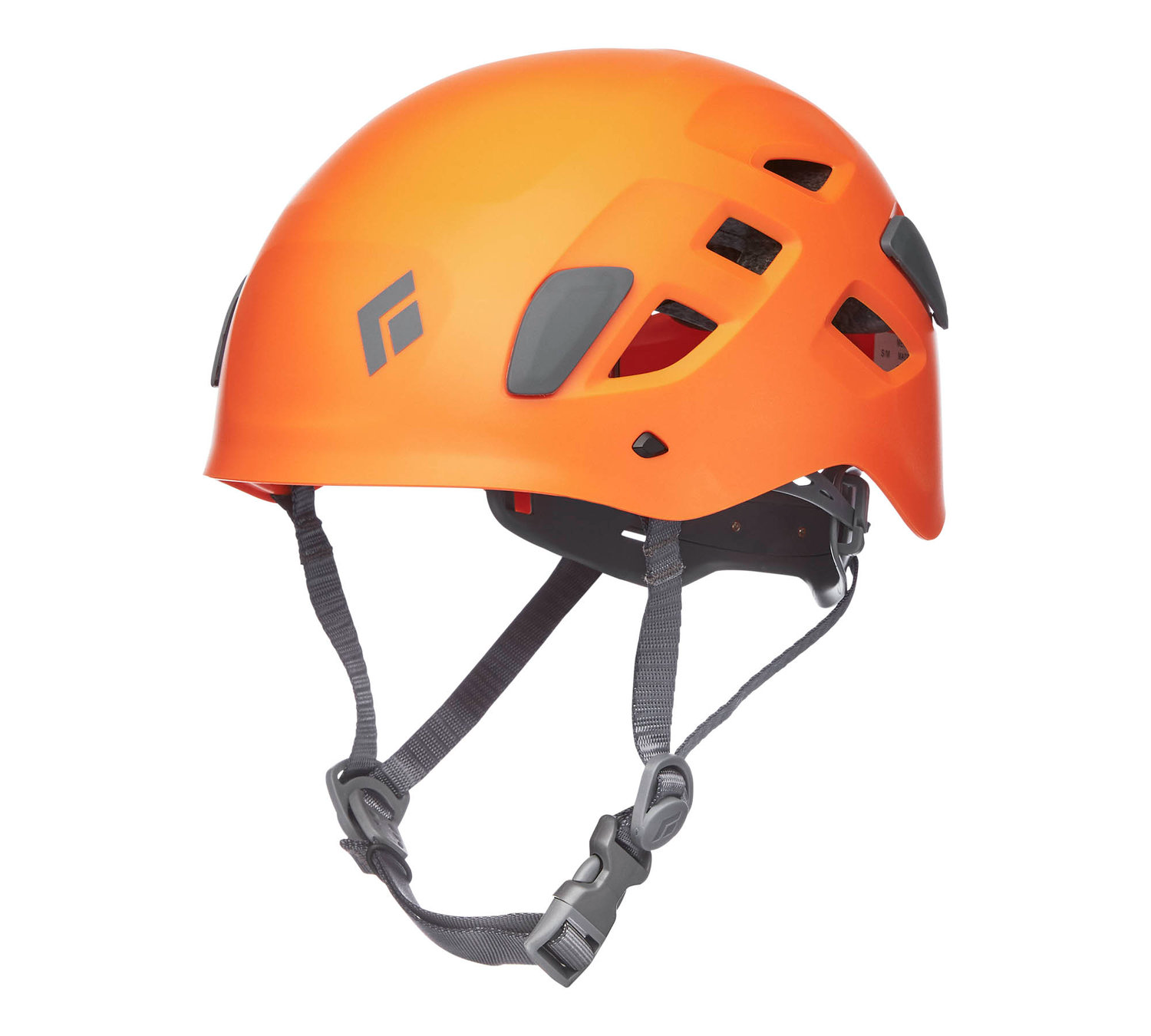
Climbing Helmet
A climbing helmet is essential for protection against falling debris and unexpected impacts while trekking in rugged Andean terrain. Lightweight yet durable, it should provide a secure fit without compromising comfort. The Black Diamond Half Dome Helmet is a reliable option, featuring a low-profile design, adjustable suspension system, and excellent ventilation to keep you comfortable during long ascents.
Footwear
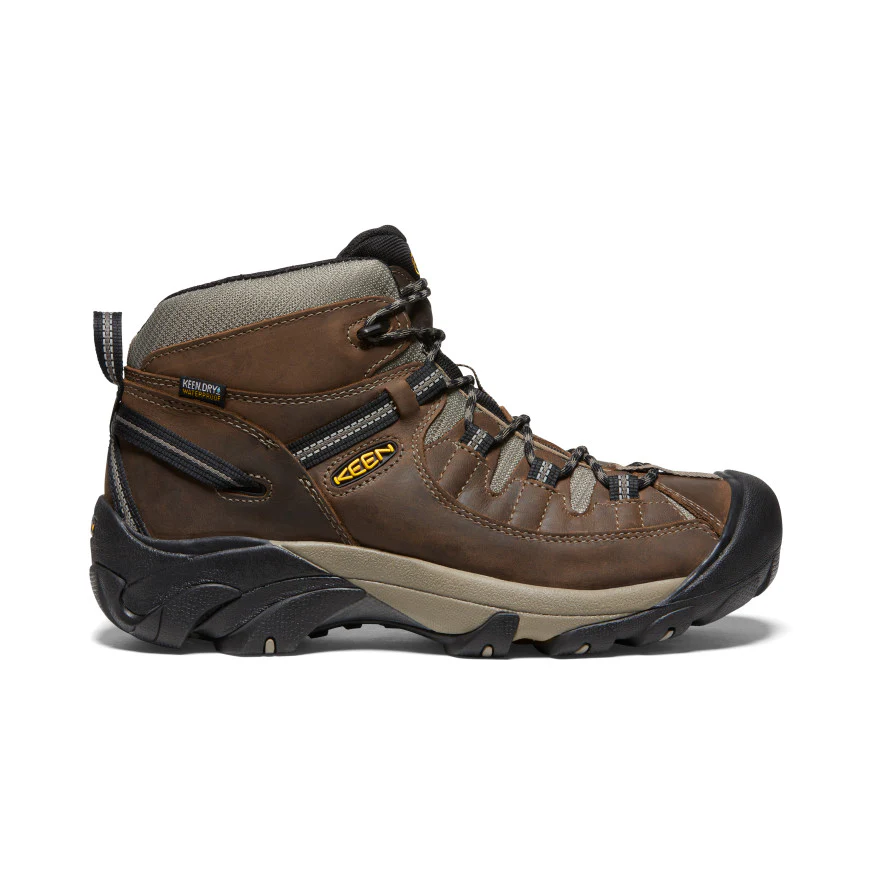
Hiking Boots & Trail Runners
Hiking Boots
Choosing the right footwear is crucial for trekking in the Andes, where conditions can range from rocky paths to muddy trails. Hiking boots offer ankle support and durability, making them ideal for multi-day treks and rough terrain. The Salomon Quest 4 GTX is a solid choice, providing waterproof protection, excellent grip, and a comfortable fit for long days on the trail.
Trail Runners
For those who prefer a lighter option, trail runners provide flexibility and breathability, perfect for faster-paced hikes or well-maintained trails. The Altra Lone Peak 8 is a popular trail running shoe, offering superior cushioning, a roomy toe box, and grippy outsoles for reliable traction on uneven surfaces.
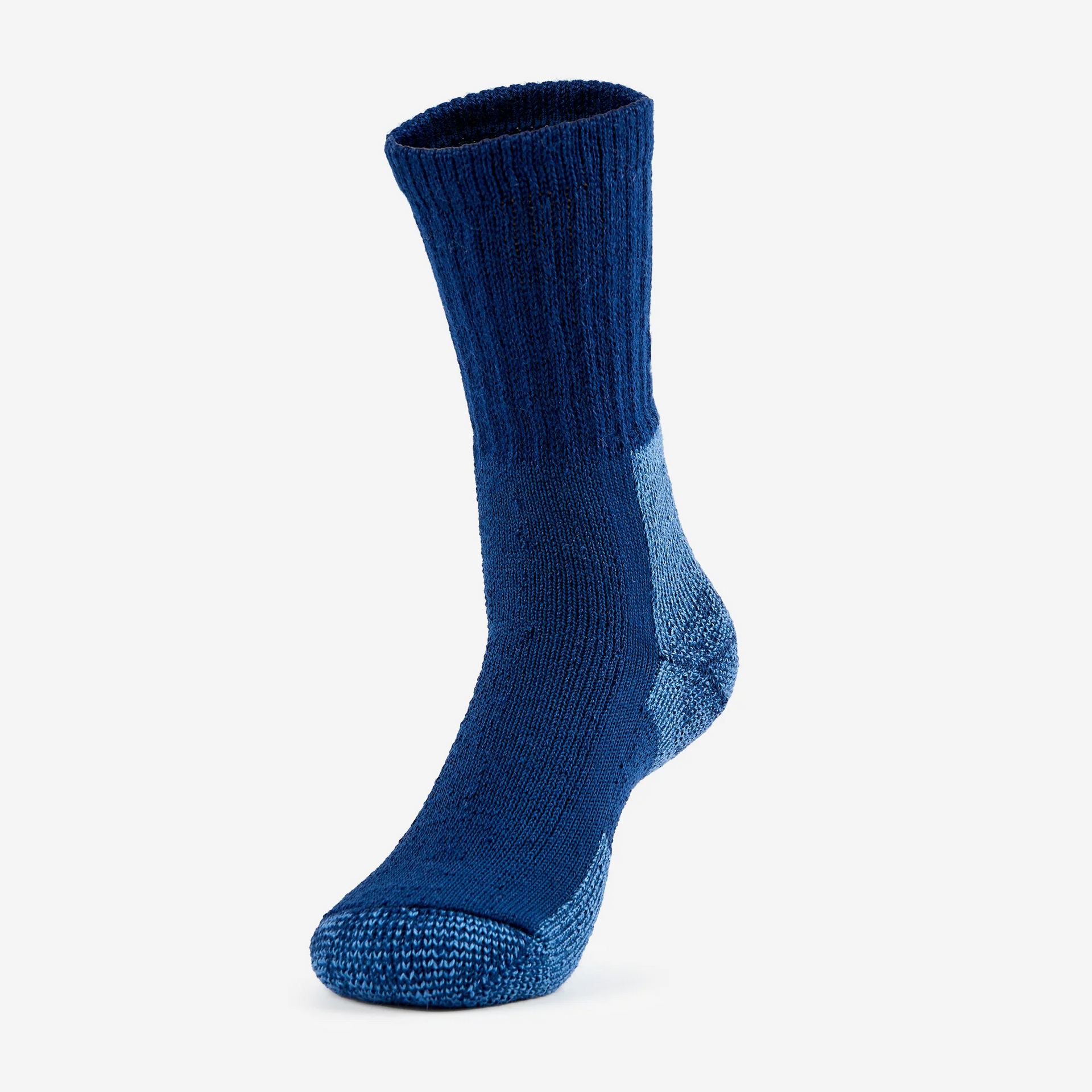
Hiking & Thermal Socks
Hiking Socks
Quality hiking socks provide cushioning, moisture-wicking, and blister prevention, essential for long treks in the Andes. The Darn Tough Hiker Micro Crew is a top choice, offering a merino wool blend for durability, comfort, and temperature regulation in varying conditions. Their seamless construction reduces friction, keeping your feet comfortable mile after mile.
Thermal Socks
For colder conditions, thermal socks provide extra warmth and insulation, crucial for high-altitude trekking. The Smartwool Mountaineering Extra Heavy Crew socks are a great option, featuring thick merino wool for superior warmth, moisture management, and breathability, ensuring your feet stay dry and warm in freezing temperatures.
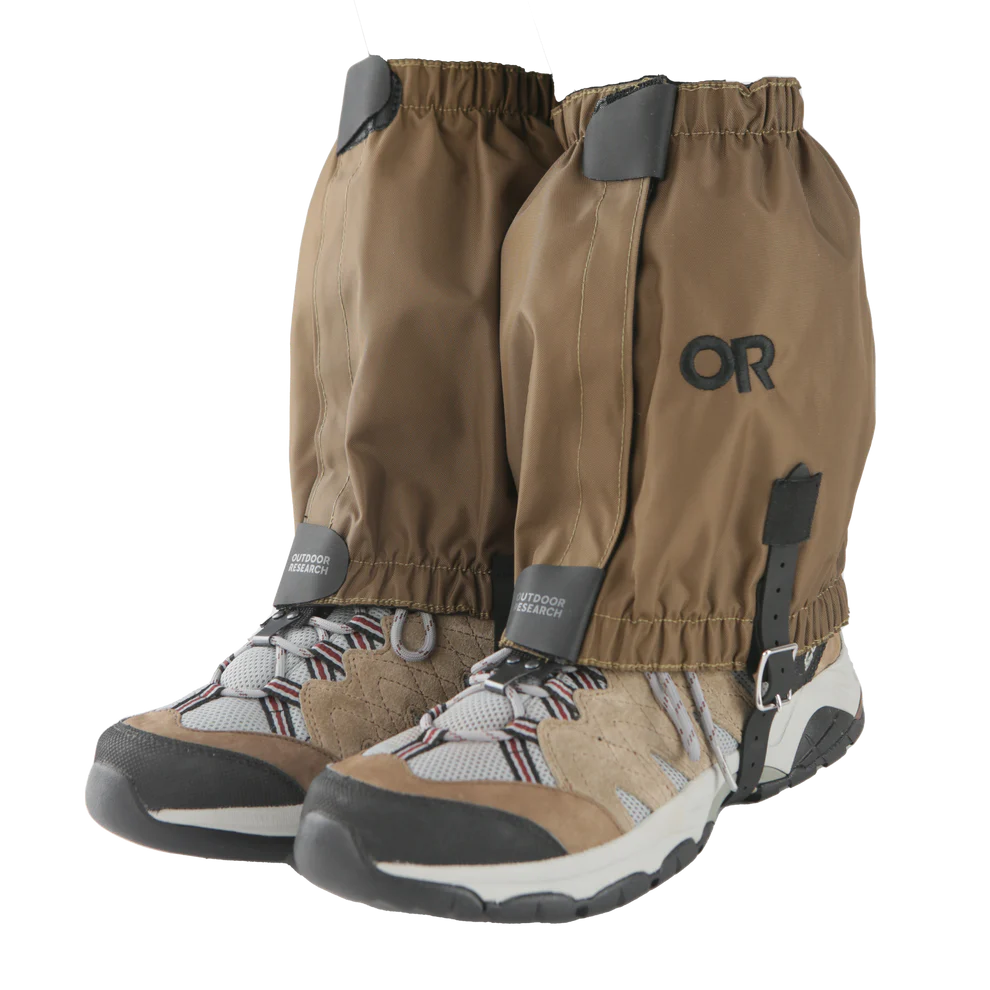
Gaiters
Gaiters provide essential protection for trekking in the Andes, keeping your feet dry and debris-free in muddy, snowy, or rocky conditions. The Outdoor Research Rocky Mountain High Gaiters offer a lightweight yet durable design, with water-resistant fabric and a secure fit to shield your lower legs from moisture, dirt, and sharp vegetation. Ideal for multi-day treks, they help maintain comfort and extend the life of your footwear.
Important/Technical Gear
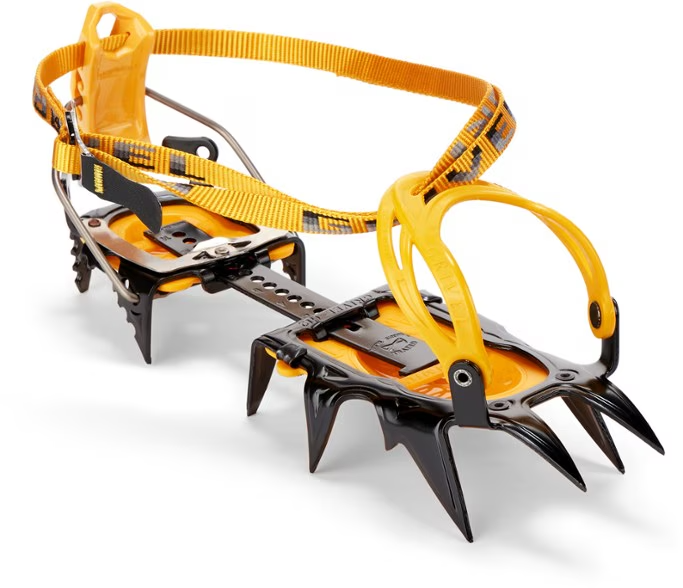
Crampons
Crampons are essential for trekking on icy or snow-covered terrain, providing the traction needed to navigate safely. The Grivel G10 Crampons are a reliable choice, offering lightweight construction, excellent grip, and compatibility with a wide range of hiking boots. Designed for general mountaineering and glacier travel, they strike a balance between durability and ease of use.
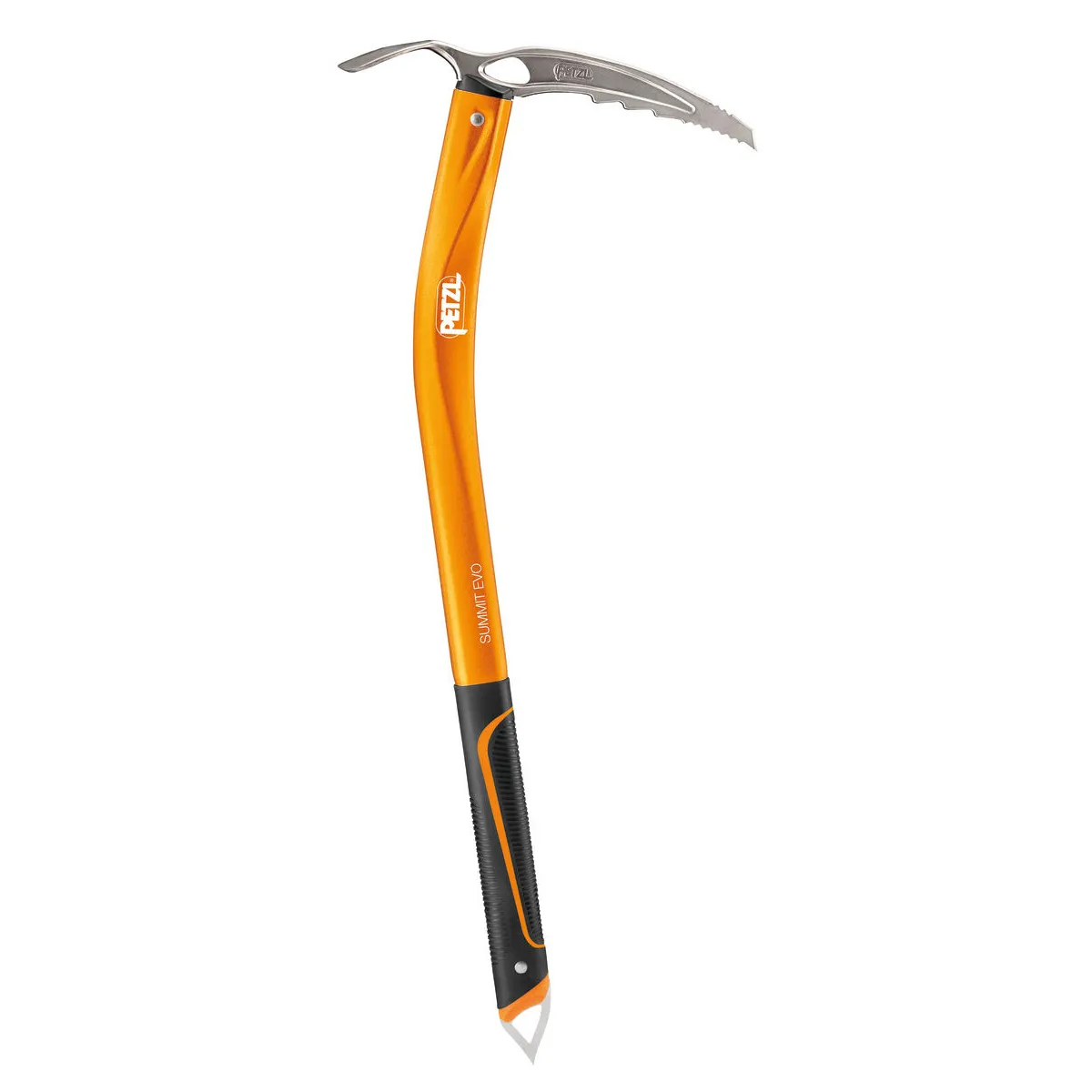
Ice Axe
An ice axe is a crucial tool for mountaineering in the Andes, offering stability on steep slopes and serving as an emergency arrest tool in case of a slip. The Petzl Glacier Ice Axe is a solid option, featuring a lightweight aluminum shaft and a steel head for effective self-arrest and anchoring. Its ergonomic design makes it comfortable to carry and use during long ascents.
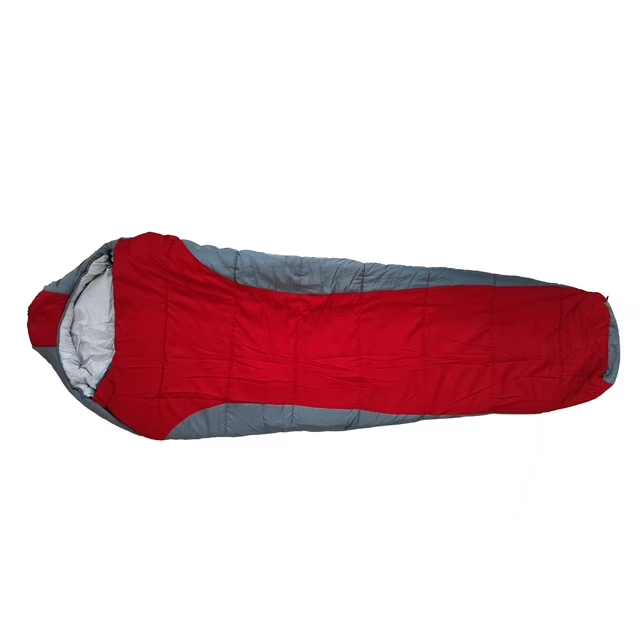
Sleeping Bag
A high-quality sleeping bag is vital for cold nights at high altitudes. The Nemo Disco 15 Sleeping Bag provides warmth down to 15°F (-9°C), with water-resistant down insulation that retains heat even in damp conditions. Its roomy design allows for comfortable movement, while the integrated Thermo Gills help regulate temperature, making it a versatile choice for multi-day treks in varying climates.
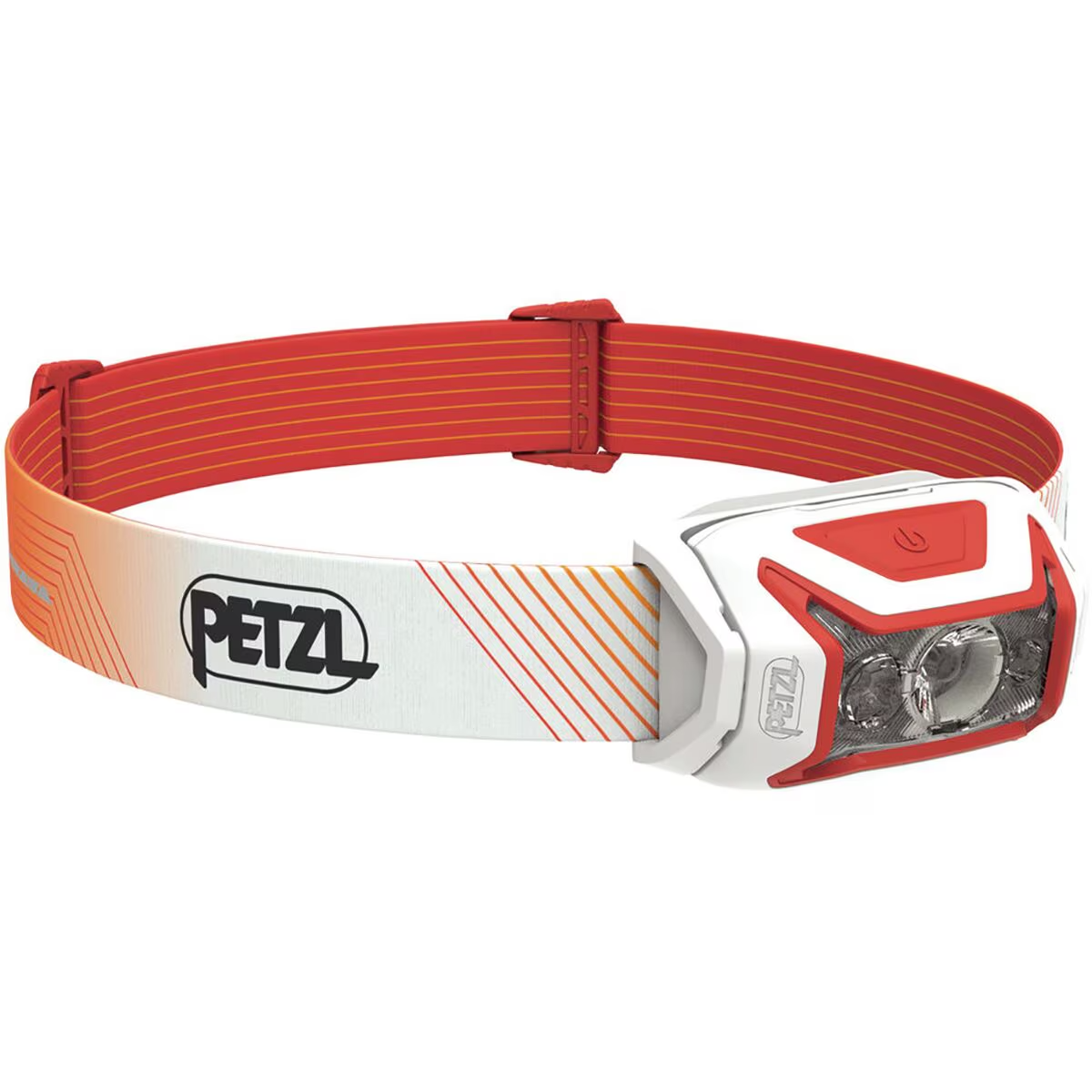
Headlamp
A reliable headlamp is essential for early morning starts, late-night camp activities, and navigating in low-light conditions. The Black Diamond Spot 400-R is a great choice, offering 400 lumens of brightness, a rechargeable battery, and multiple lighting modes, including red night vision. Its waterproof construction ensures durability in unpredictable weather, making it a dependable companion for trekking in the Andes.
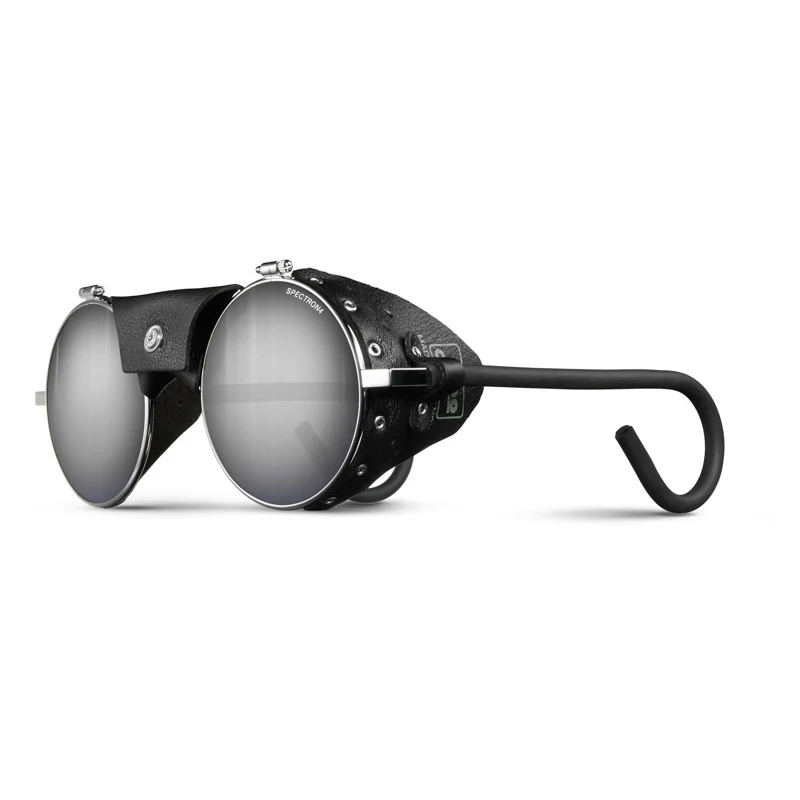
Sunglasses/Glacier Glasses
Sunglasses
A good pair of sunglasses is essential for protecting your eyes from harsh UV rays and glare at high altitudes. The Goodr Wrap Gs offer UV400 protection, polarized lenses, and a lightweight, no-slip design, making them a budget-friendly and reliable choice for trekking.
Glacier Glasses
For extreme conditions and intense sun exposure on snow-covered terrain, glacier glasses provide superior eye protection. The Julbo Explorer 2.0 features removable side shields, category 4 lenses, and anti-fog coatings, ensuring maximum protection from glare and harmful UV rays in high-altitude environments.
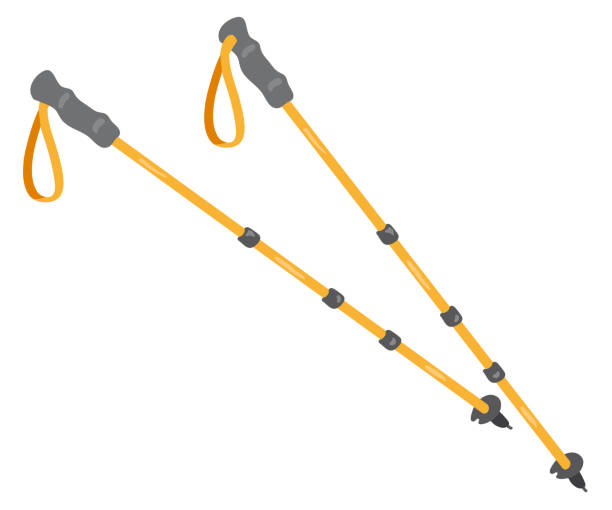
Trekking Poles
Trekking poles provide stability, reduce strain on your knees, and help maintain balance on steep ascents and descents. The Black Diamond Trail Ergo Cork poles are a great choice, featuring a comfortable cork grip, adjustable aluminum shafts, and reliable flick-lock mechanisms for quick length adjustments. These poles are durable and versatile, making them ideal for long treks in the Andes.
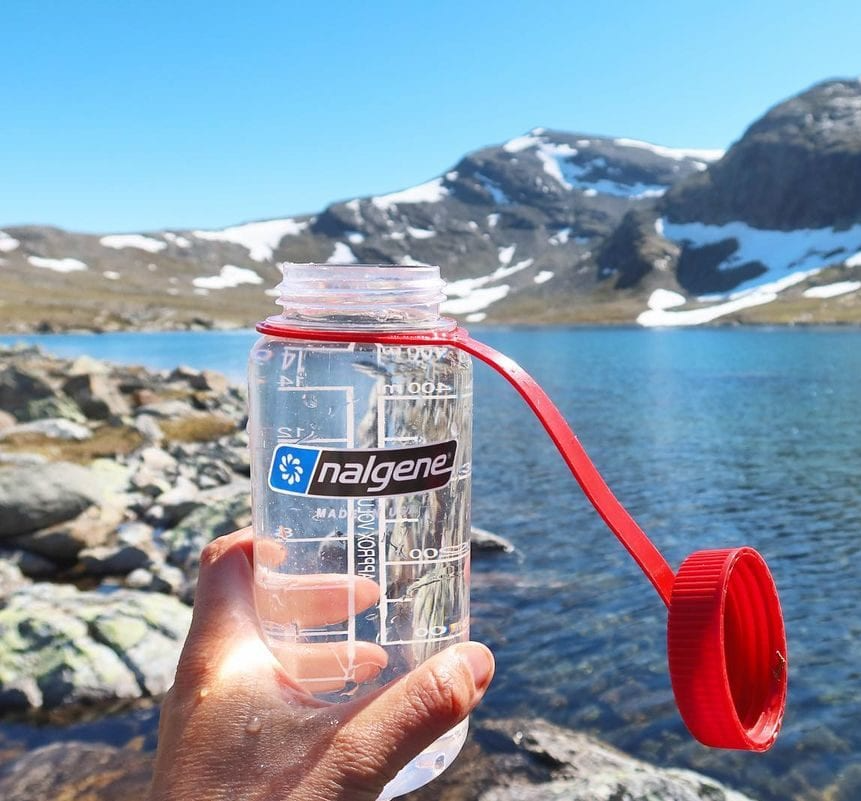
Bladder/Nalgene
Staying hydrated is essential at high altitudes. A hydration bladder, like the Osprey Hydraulics 3L, allows for easy sipping on the go without needing to stop and grab a bottle. It’s great for long hikes where consistent hydration is key. For carrying extra water or hot beverages, a Nalgene Wide Mouth 1L bottle is a durable and reliable option, resistant to freezing temperatures and easy to clean.
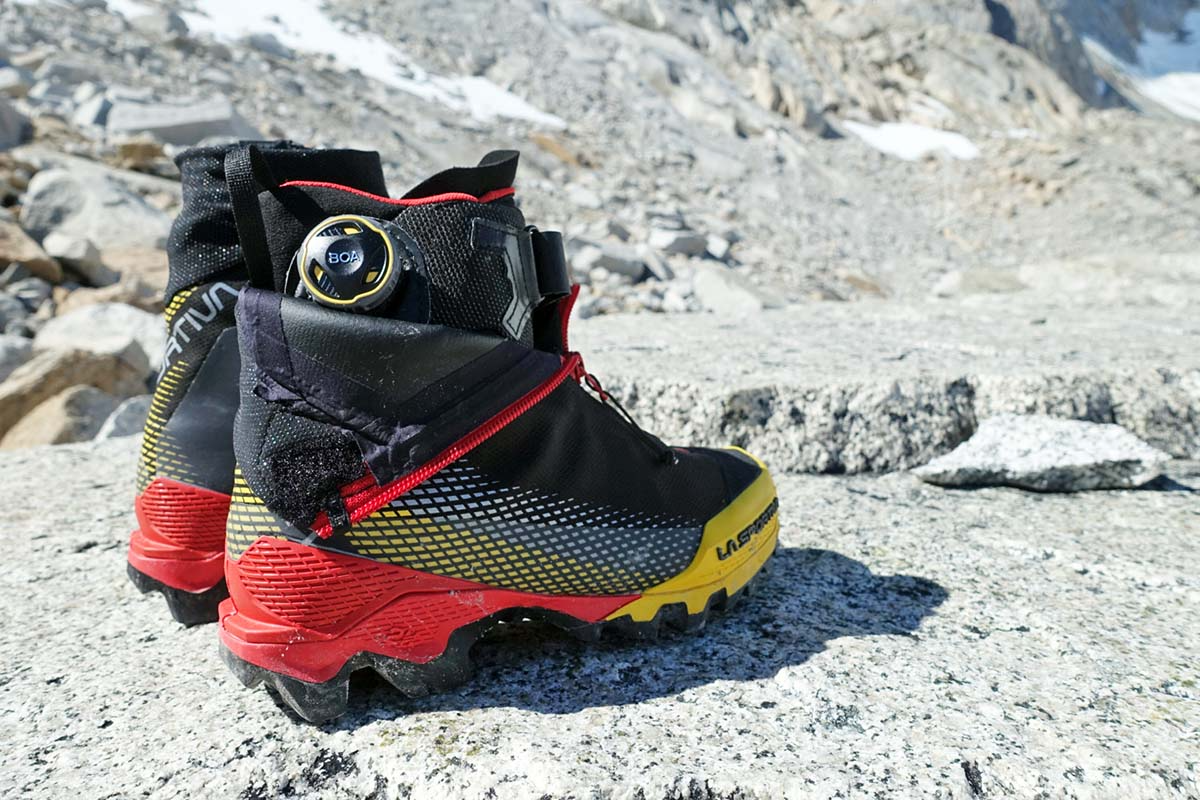
Mountaineering Boots
For high-altitude climbs and technical terrain, mountaineering boots provide essential warmth, rigidity, and crampon compatibility. The La Sportiva Nepal Evo GTX is a solid choice, offering excellent insulation, waterproof protection, and a sturdy sole for navigating ice, snow, and rocky paths. These boots are built for demanding alpine conditions, ensuring both comfort and security on challenging ascents.
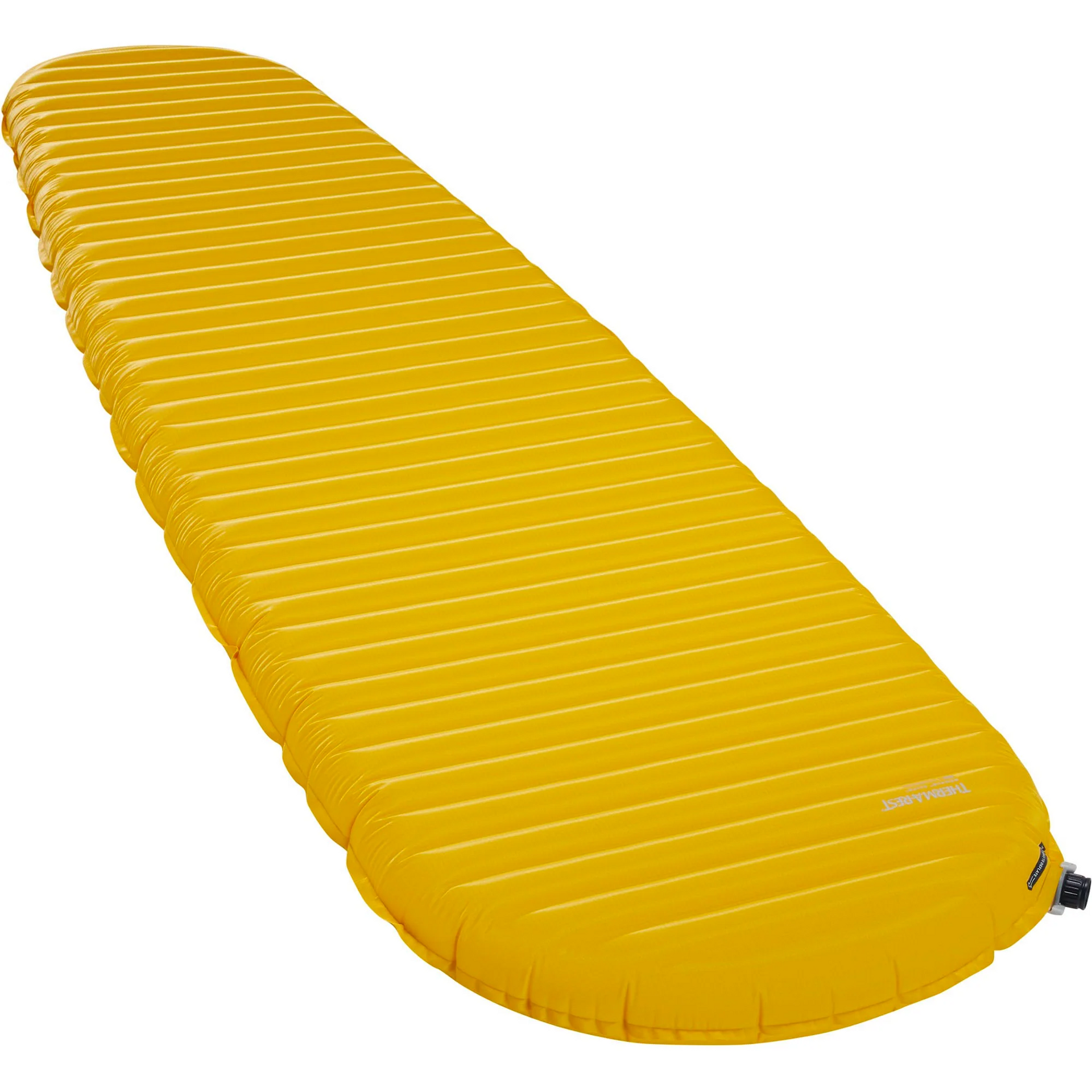
Sleeping Pad
A quality sleeping pad is crucial for warmth and comfort during Andean treks, especially in freezing nighttime temperatures. The Therm-a-Rest NeoAir XTherm is a great choice, offering a high R-value for insulation, lightweight packability, and excellent cushioning for a restful sleep. Its durable construction and ease of inflation make it a reliable companion for multi-day expeditions in extreme conditions.
Personal Gear & Medication
Medications
- Personal Prescription Medications: Ensure you have an adequate supply of any medications you regularly take.
- Altitude Sickness Medication: Consider bringing medications like acetazolamide (Diamox) to prevent or reduce symptoms of altitude sickness.
- Pain Relievers: Pack over-the-counter analgesics such as ibuprofen or paracetamol for headaches and muscle aches.
- Anti-diarrheal Medication: Medications like loperamide (Imodium) can be useful in case of gastrointestinal issues.
- Antihistamines: Useful for allergic reactions or as a sleep aid.
- Basic First Aid Supplies: Include adhesive bandages, antiseptic wipes, blister treatment, and tweezers.
- Insect Repellent: Preferably with DEET, to protect against insect bites.
- Sunscreen: High SPF to protect against strong UV rays at high altitudes.
Personal Gear
- Water Bottle: Reusable and durable, to stay hydrated throughout the trek.
- Bug Spray: To protect against insects, especially in lower altitudes.
- Sunscreen: To shield your skin from intense sun exposure.
- Personal Medication: Any specific medications you require.
- Toilet Paper: Not always available along the trail.
- Cash: Small denominations for tips or purchases in remote areas. 300-400 Soles recommended
- Passport: Necessary for identification and entry into certain sites.
- Camera: To capture the breathtaking landscapes and memorable moments.
What to pack for treks during the day
While mules or porters carry most of your gear, you'll need to keep essentials in your daypack, as you won’t have access to your main belongings until reaching camp. Here’s what you should bring for a comfortable and safe trek.
Clothing & Accessories
- Rain Jacket or Poncho – Weather in the Andes can change quickly, so having a waterproof layer is essential.
- Insulating Layer (Fleece or Down Jacket) – Mornings and high-altitude sections can be chilly.
- Hat & Gloves – A sunhat for protection during the day and lightweight gloves if temperatures drop.
- Neck Gaiter or Buff – Helps with wind, sun protection, and warmth.
Hydration & Nutrition
- Water Supply – A hydration bladder (2-3L) or water bottles like a Nalgene to stay hydrated.
- Water Purification – Tablets, a filter, or a SteriPen in case you need to refill from natural sources.
- Snacks – Energy bars, dried fruit, or nuts for quick fuel between meals.
Health & First Aid
- Sunscreen & Lip Balm – High SPF is crucial at altitude.
- Sunglasses (or Glacier Glasses) – Essential to protect your eyes from harsh sun and glare.
- Basic First Aid Kit – Blister treatment, pain relievers, and any personal medications (such as altitude sickness pills).
- Insect Repellent – Especially useful in lower altitudes.
Trekking Essentials
- Trekking Poles – Adjustable poles help with stability and reduce knee strain.
- Headlamp – Even if you don’t plan to hike in the dark, it’s useful in case of delays or emergencies.
- Map or GPS Device – If trekking without a guide, ensure you have navigation tools.
Personal Items
- Toilet Paper & Small Trowel – Some routes lack facilities, so be prepared.
- Hand Sanitizer & Wet Wipes – Useful when restrooms aren’t available.
- Cash – Small bills for snacks, souvenirs, or tipping along the way.
Your daypack should be lightweight but prepared for changing conditions. A 20-30L pack is usually sufficient for carrying these essentials while keeping weight manageable.
What to pack for each expedition
Day Hike: Pack Light, Explore More
For a day hike, you want to stay light while being prepared for changing conditions. Here’s what to bring:
- Daypack (15-25L) – Enough space for essentials without weighing you down.
- Hiking Boots or Trail Runners – Choose comfort and grip based on the terrain.
- Weather-Appropriate Clothing – Moisture-wicking base layer, fleece or light insulated jacket, and a rain shell.
- Hat & Sunglasses – Sun protection is key.
- Water (2L Minimum) – In a bladder or bottles. Bring a filter if refilling from natural sources.
- Snacks & Lunch – Energy bars, nuts, fruit, and a sandwich for fuel.
- First Aid Kit – Blister care, pain relievers, and any personal medications.
- Sunscreen & Lip Balm (SPF 30+) – The sun can be brutal even on a short hike.
- Trekking Poles (Optional) – Useful for steep or uneven terrain.
- Headlamp – Just in case your hike runs longer than planned.
Trekking Expedition: Your Home on the Trail
Multi-day treks require careful packing since mules or porters will carry most of your gear. Keep daily essentials in your daypack while the rest goes in your duffel.
Daypack Essentials (20-30L)
- Water (2-3L) – Hydration bladder or bottles with purification method.
- Rain Jacket & Insulating Layer – Weather can change fast.
- Hat, Gloves & Neck Gaiter – For sun, wind, and cold.
- Trekking Poles – Save your knees on long descents.
- Snacks & Energy Boosters – Dried fruit, nuts, and bars.
- Headlamp & Extra Batteries – A must for early starts or late arrivals.
- First Aid Kit & Personal Medications – Including altitude sickness prevention.
- Sunscreen, Lip Balm & Sunglasses – Essential at high altitude.
- Hand Sanitizer & Toilet Paper – Hygiene matters.
Duffel Bag (7-10kg Max for Mule Carrying)
- Sleeping Bag (Rated for Conditions) – Nights can be freezing.
- Extra Base Layers & Trekking Clothes – Rotate to stay fresh.
- Warm Jacket (Down or Synthetic) – For chilly evenings at camp.
- Trekking Pants & Shorts – Comfortable and breathable.
- Camp Shoes or Sandals – Let your feet breathe at the end of the day.
- Extra Socks & Underwear – Dry feet = happy feet.
- Personal Toiletries & Small Towel – Minimal but necessary.
- Lightweight Sleeping Pad – Always welcome to bring your own!
Mountaineering Adventure: Gear Up for the Summit
Mountaineering takes you into high-altitude, extreme environments where the right gear is essential for safety and success. Whether you're tackling a glaciated peak or a technical alpine ascent, here’s what you need.
Climbing Gear
- Mountaineering Boots (Insulated & Rigid) – Essential for warmth and compatibility with crampons.
- Crampons – Choose steel for durability on ice and rock.
- Ice Axe – A must for self-arrest and stability on steep terrain.
- Climbing Helmet – Protects against falling ice and rock.
- Harness & Carabiners – Required for roped travel on glaciers or technical climbs.
- Gaiters – Keep snow and debris out of your boots.
- Headlamp & Spare Batteries – Essential for early starts and summit pushes.
- Trekking Poles – Helps with balance on the approach and descents.
Clothing & Insulation
- Base Layers (Merino or Synthetic) – Moisture-wicking to keep you dry.
- Mid-Layer (Fleece or Softshell) – Provides warmth while staying breathable.
- Insulated Jacket (Down or Synthetic) – Critical for extreme cold.
- Hardshell Jacket & Pants – Waterproof and windproof for protection.
- Gloves (Liner & Insulated) – A layering system keeps your hands functional.
- Balaclava or Buff – Protects against wind, sun, and frostbite.
- Beanie & Sunglasses (or Glacier Glasses) – Full head and eye protection.
Other Essentials
- Backpack (40-50L) – Enough space for climbing and overnight gear(if needed).
- Sleeping Bag (-10°C / 14°F or Colder) – High-altitude nights are brutally cold.
- Sleeping Pad – Insulated to keep you warm on snow or ice.
- Water Bottles (Not a Bladder) – Hydration tubes freeze in extreme cold.
- Snacks & Energy Gels – Easy-to-eat fuel for summit day.
- First Aid Kit & Altitude Meds – Be prepared for emergencies.
Mountaineering isn’t just about reaching the summit—it’s about preparation, resilience, and respecting the mountain. Having the right gear ensures you stay warm, safe, and ready for the challenge.
Are you Ready? We think you are!
We want to understand exactly what you’re looking for so we can guide you toward the right expedition. Share your goals and questions with us, and we’ll help you choose the best option and prepare for your time in the Andes.
