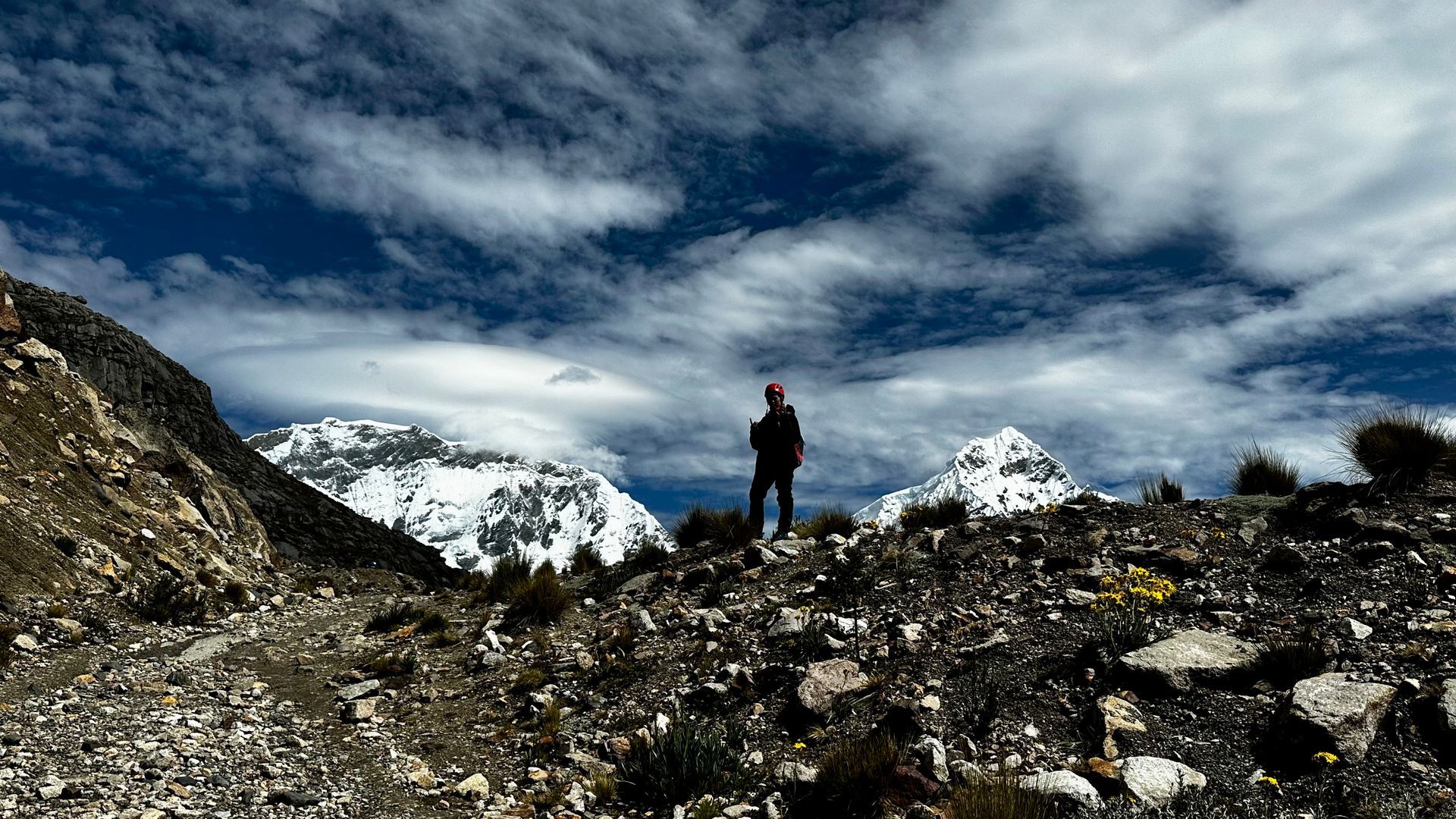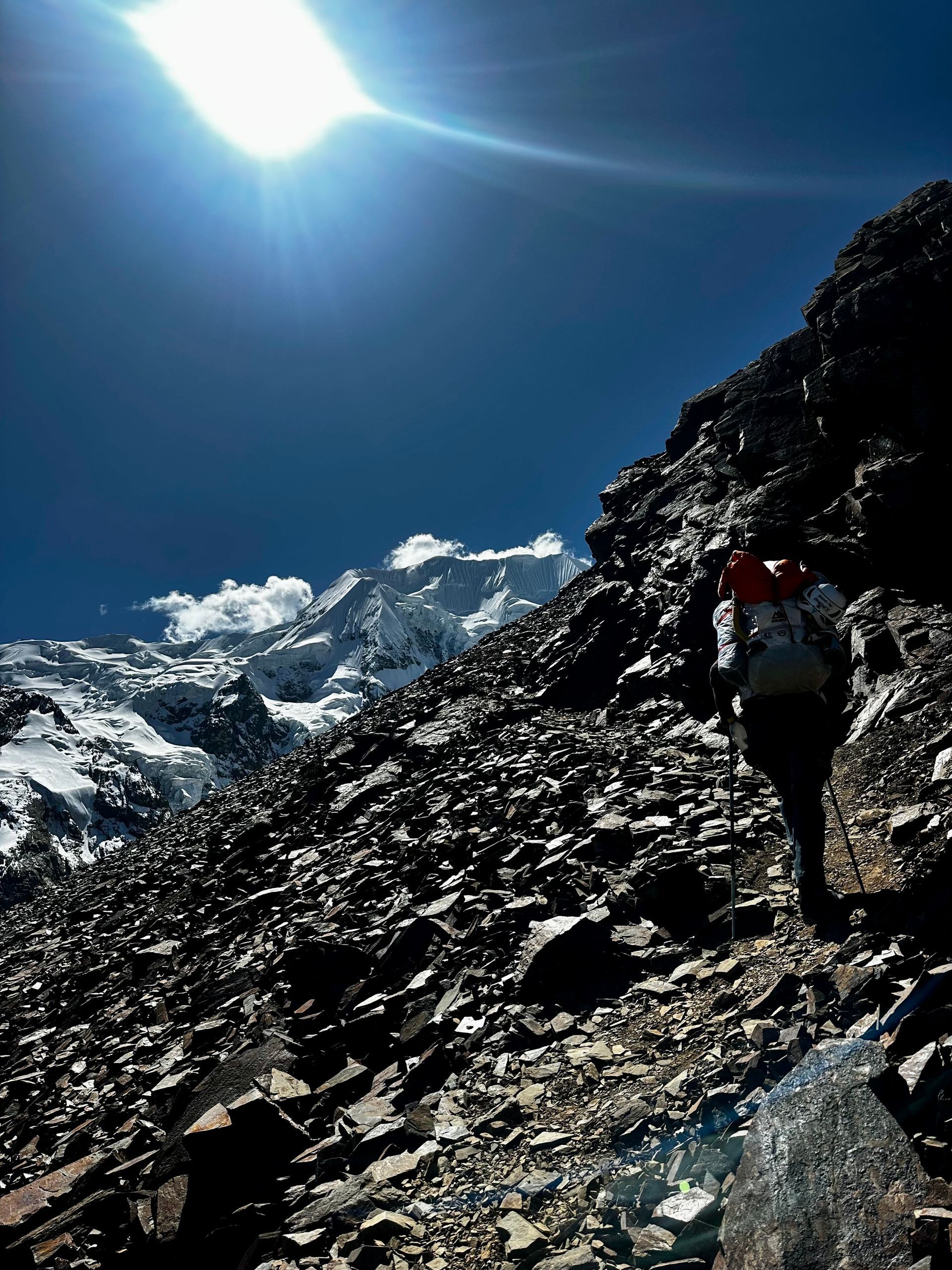
The Right Trek Sets the Foundation for Bigger Mountains in the Andes
Heading into the Andes isn’t just another trip—it’s a shift into a different environment entirely. Whether you’re trekking near Cusco, starting your journey out of Huaraz, or preparing for a climb above Quito or La Paz, altitude changes everything.
It doesn’t matter how strong you are at sea level—up here, your body has to adapt, your pace has to slow down, and your mindset has to shift. The people who enjoy these trips the most aren’t always the fittest—they’re the ones who prepare properly.
Here’s how to set yourself up for a strong, confident experience in the mountains.
Train with intention, not just intensity
You don’t need to train like an elite athlete, but you do need consistency. Long hikes, steady cardio, and time on your feet matter more than short bursts of intensity. Think in hours, not minutes.
If you can get out on trails with elevation gain, even better. Your goal isn’t speed—it’s building the ability to move for 5–8 hours a day without burning out. That’s what trekking in places like the Cordillera Huayhuash or around Ausangate actually feels like.
Respect the altitude from day one
Altitude is the one thing you can’t fake. Once you’re above 4,000 meters (13,000+ ft), everything feels different—breathing, recovery, even sleep.
The biggest mistake people make is trying to go too fast too early. The ones who succeed are the ones who slow down, hydrate constantly, and give their body time to adjust.
Arriving a few days early in places like Cusco or Quito can make a huge difference. Those extra days aren’t wasted—they’re what allow you to actually enjoy the experience instead of just getting through it.
Dial in your gear before you arrive
Your gear doesn’t need to be expensive, but it does need to work. Boots that aren’t broken in, layers that don’t regulate temperature well, or a pack that doesn’t fit properly can turn a great day into a long one.
Test everything before your trip. Go on a hike with your full setup. Make sure your system works when you’re moving, sweating, and dealing with changing conditions.
In the Andes, you can experience sun, wind, and freezing temperatures all in the same day. Being prepared for that isn’t optional—it’s part of the experience.
Stay mentally steady when things get hard
Altitude has a way of leveling everyone. There will be moments where the pace slows, the breathing gets heavier, and the trail feels longer than expected. That’s normal.
The key is not to fight it. Stay steady, keep moving, and focus on small progress. One step, then another. That’s how you move through high altitude terrain.
The people who struggle the most are the ones who expect it to feel easy. The ones who do well understand that the challenge is part of why they’re there.
Build the foundation for what comes next
This isn’t just about one trip. Whether you’re starting with a trek near Cusco or pushing deeper into ranges like Huayhuash, you’re building experience that carries forward.
You learn how your body responds to altitude. You learn how to pace yourself. You learn what it feels like to move through big mountain terrain.
That foundation is what opens the door to bigger objectives—glacier climbs, higher summits, and more technical expeditions across the Andes.
At the end of the day, preparing for high altitude isn’t about perfection. It’s about giving yourself the best chance to actually experience the mountains the way they’re meant to be experienced.
Take the time to prepare, respect the environment, and move with intention.
That’s where it all begins.