
The Right Trek Sets the Foundation for Bigger Mountains in the Andes
Omar Villafuerte
There’s a moment before every summit push where everything gets quiet. It’s early—usually around midnight. Headlamps are on, boots are frozen, and the mountain is still. Whether you’re climbing above Quito on Cotopaxi or pushing higher peaks beyond La Paz, this is where the experience shifts. Treks prepare you for this. But this is different. This is where everything comes together.
It starts in the dark for a reason
Summit pushes begin early—long before sunrise. It’s not just for the experience, it’s for safety and conditions. Snow is firmer, weather is more stable, and the mountain is at its most predictable. You move slowly at first, finding a rhythm in the dark. Step, breathe, step, breathe. It feels unfamiliar at first, but after a while, it settles into something steady.
Pacing becomes everything
At altitude, speed doesn’t exist the way you think it does. What matters is efficiency. Small, controlled steps. Consistent breathing. Your guide sets the pace, and it’s intentional. Too fast, and you burn out early. Too slow, and you lose momentum. This is where your trekking foundation shows up. Those long days you’ve already done? This is why they mattered.
The mountain demands focus, not force
There’s a point where the climb becomes more mental than physical. The air is thinner, the effort is constant, and the margin for error is smaller. This isn’t about pushing harder—it’s about staying controlled. Staying present. Trusting the system you’re moving within. You don’t rush a mountain like this. You move through it.
Then the horizon starts to change
Slowly, almost without noticing, the sky begins to lighten. The horizon shifts from black to deep blue, and then the first light starts to hit the peaks around you. This is the moment people remember. Not just the summit—but everything leading up to it. You’re standing above the clouds, looking out over the Andes, knowing exactly what it took to get there.
The summit is earned, not given
Reaching the top isn’t guaranteed—and that’s part of what makes it meaningful. Conditions, altitude, and how your body responds all play a role. But when it comes together, when you step onto that summit, it’s different than anything else. It’s not just the view. It’s the process. The preparation. The effort. The fact that you showed up and followed it through. You don’t need to be extreme—you need to be ready
A lot of people assume this kind of experience is out of reach. That you need to be some elite climber to even try.
That’s not true.
What you need is the right progression. Start with a trek. Learn how your body handles altitude. Build your endurance. Then step into a summit with the right support and preparation behind you.
That’s how this works.
If you’ve been thinking about stepping into something bigger—this is where it starts.
Not with the summit itself, but with the decision to begin.
Start with the foundation. Build your way up. And when you’re ready, take that first step into the dark and see how far it takes you.
Start your ascent.
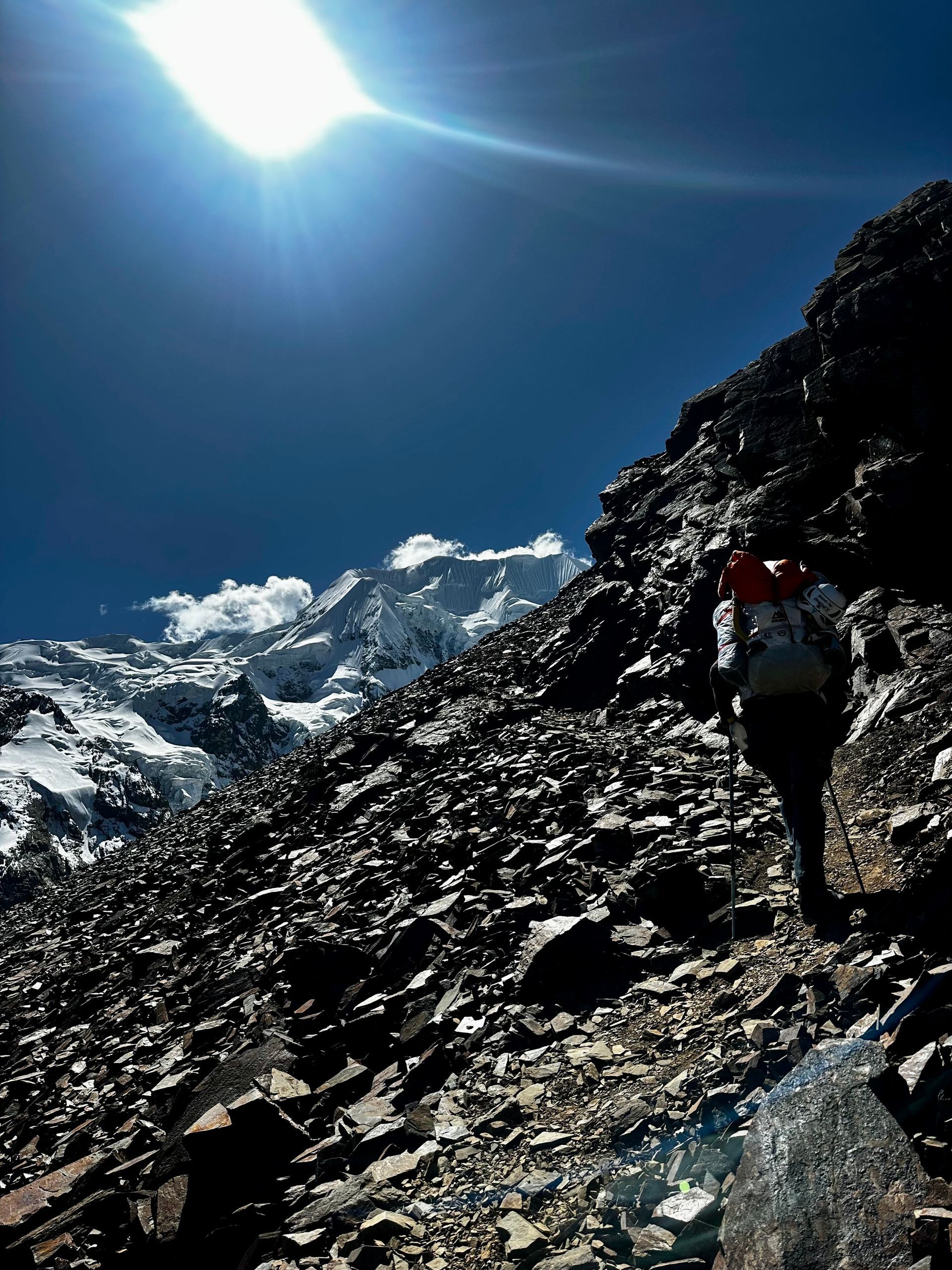
Not every trip in the Andes is about standing on a summit—and honestly, it shouldn’t be. The strongest climbers, the ones who move well at altitude and actually enjoy the experience, don’t start with summits. They start with the right trek. Whether that’s in the highlands outside Cusco or deep in the ranges near Huaraz, these early experiences are where everything begins to click. A good trek isn’t just about getting from point A to point B. It’s where you learn how your body handles altitude, how your mind reacts to long days, and how to move efficiently through real mountain terrain. Here’s why the right trek matters more than most people think.
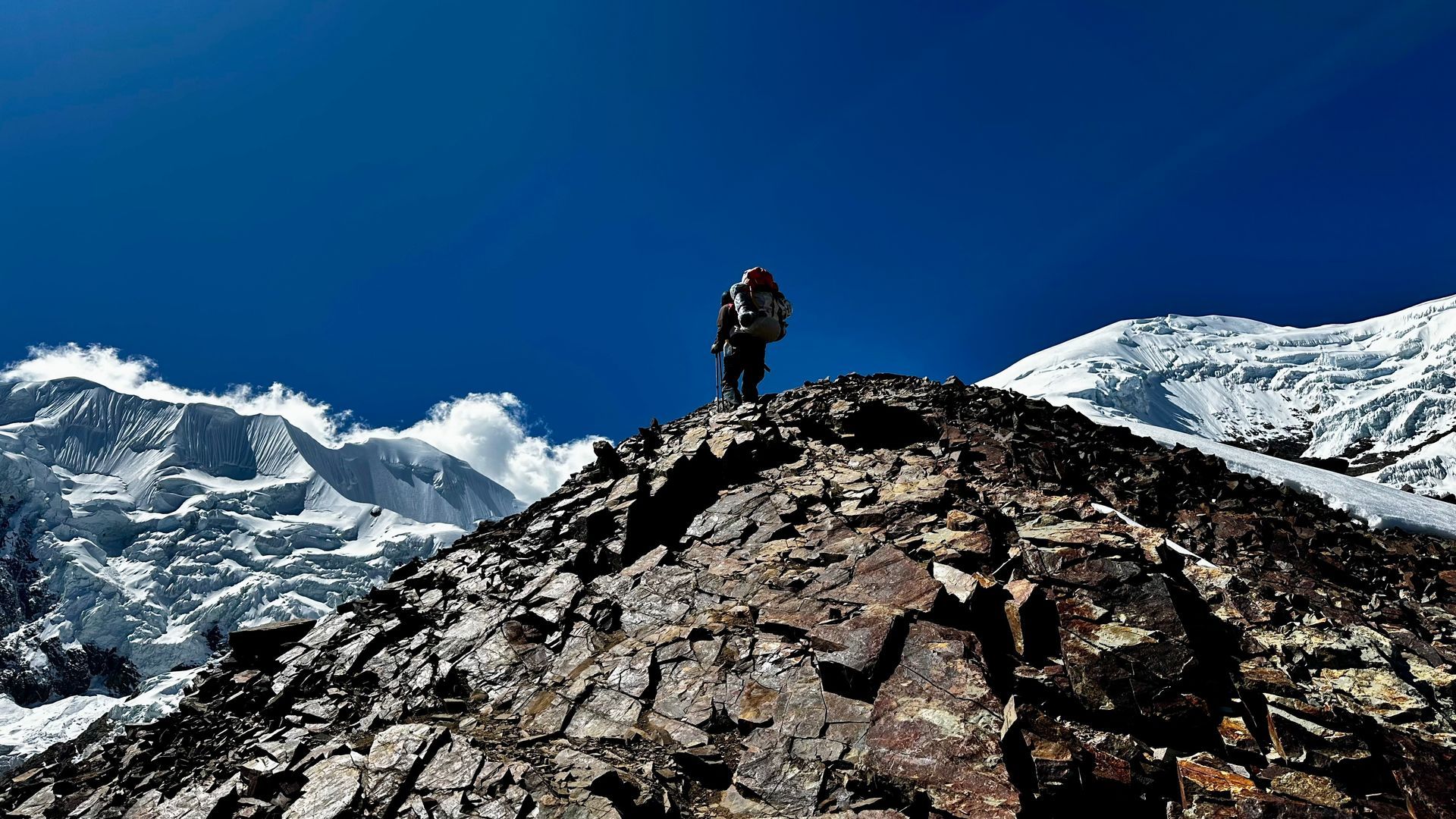
Heading into the Andes isn’t just another trip—it’s a shift into a different environment entirely. Whether you’re trekking near Cusco, starting your journey out of Huaraz, or preparing for a climb above Quito or La Paz, altitude changes everything. It doesn’t matter how strong you are at sea level—up here, your body has to adapt, your pace has to slow down, and your mindset has to shift. The people who enjoy these trips the most aren’t always the fittest—they’re the ones who prepare properly. Here’s how to set yourself up for a strong, confident experience in the mountains.
