Explore 6 Remote Trekking Destinations in Peru Beyond the Tourist Routes
Move beyond tourist trails and experience Peru’s most remote and powerful high-altitude trekking routes
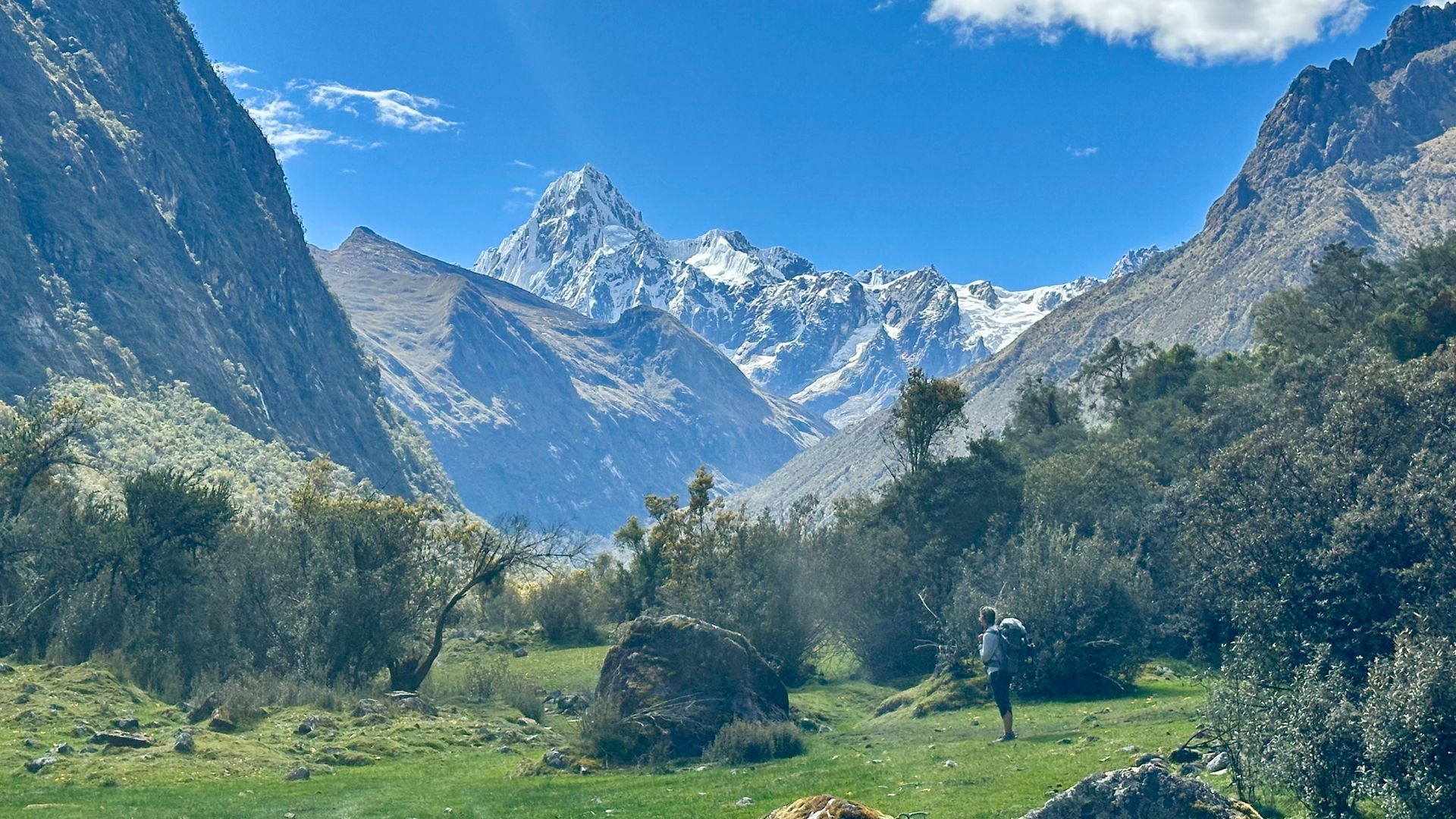
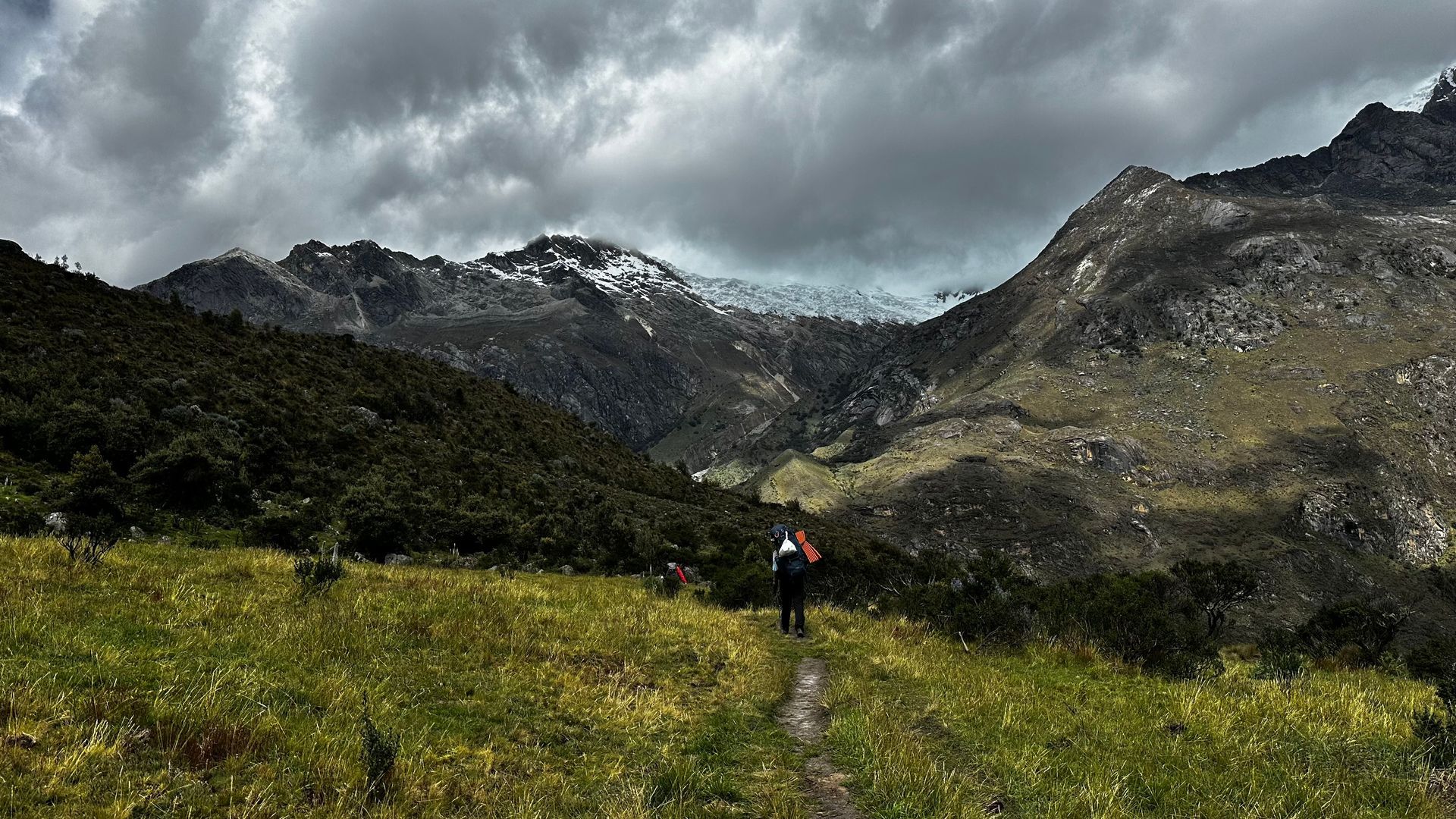
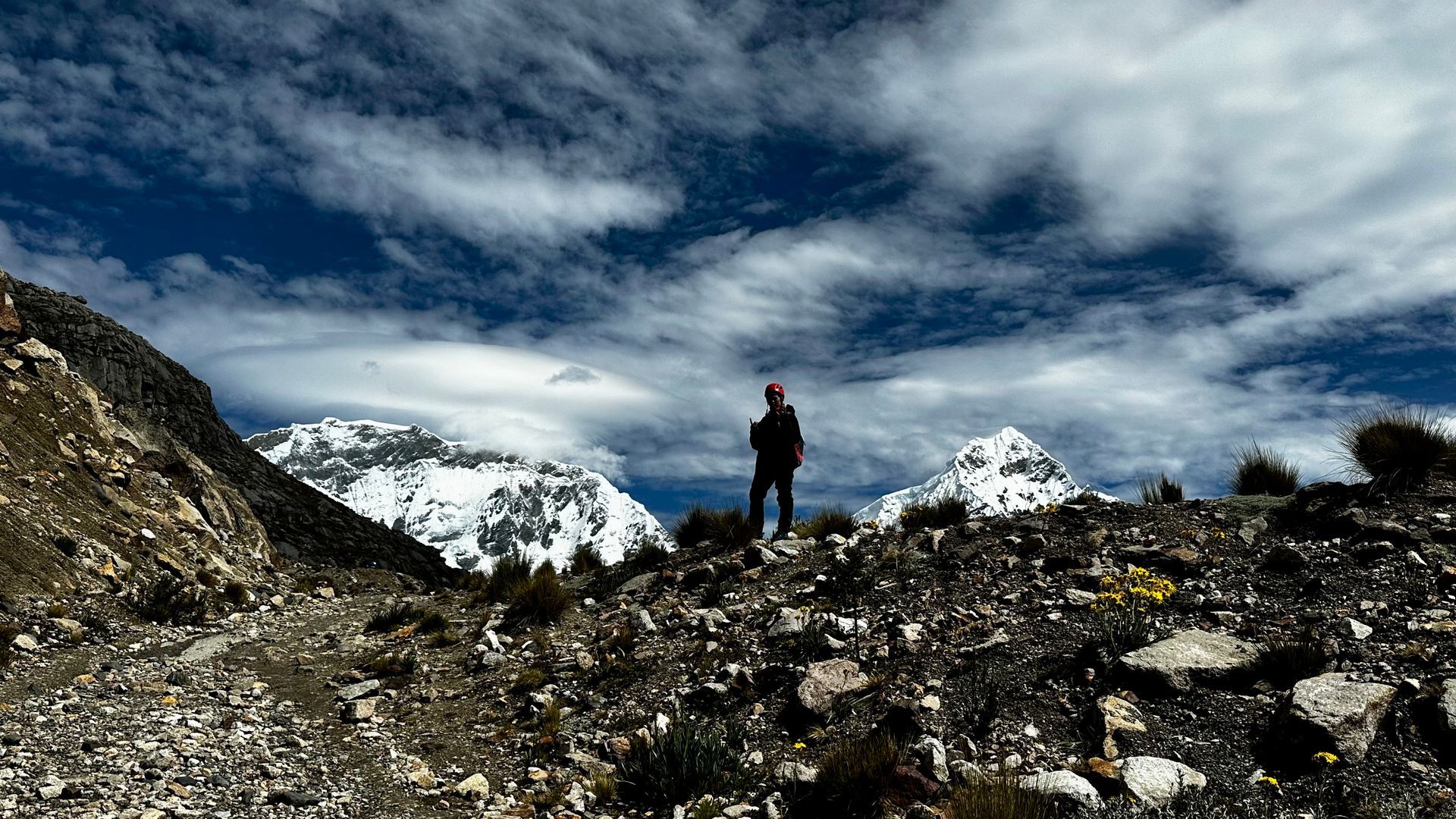
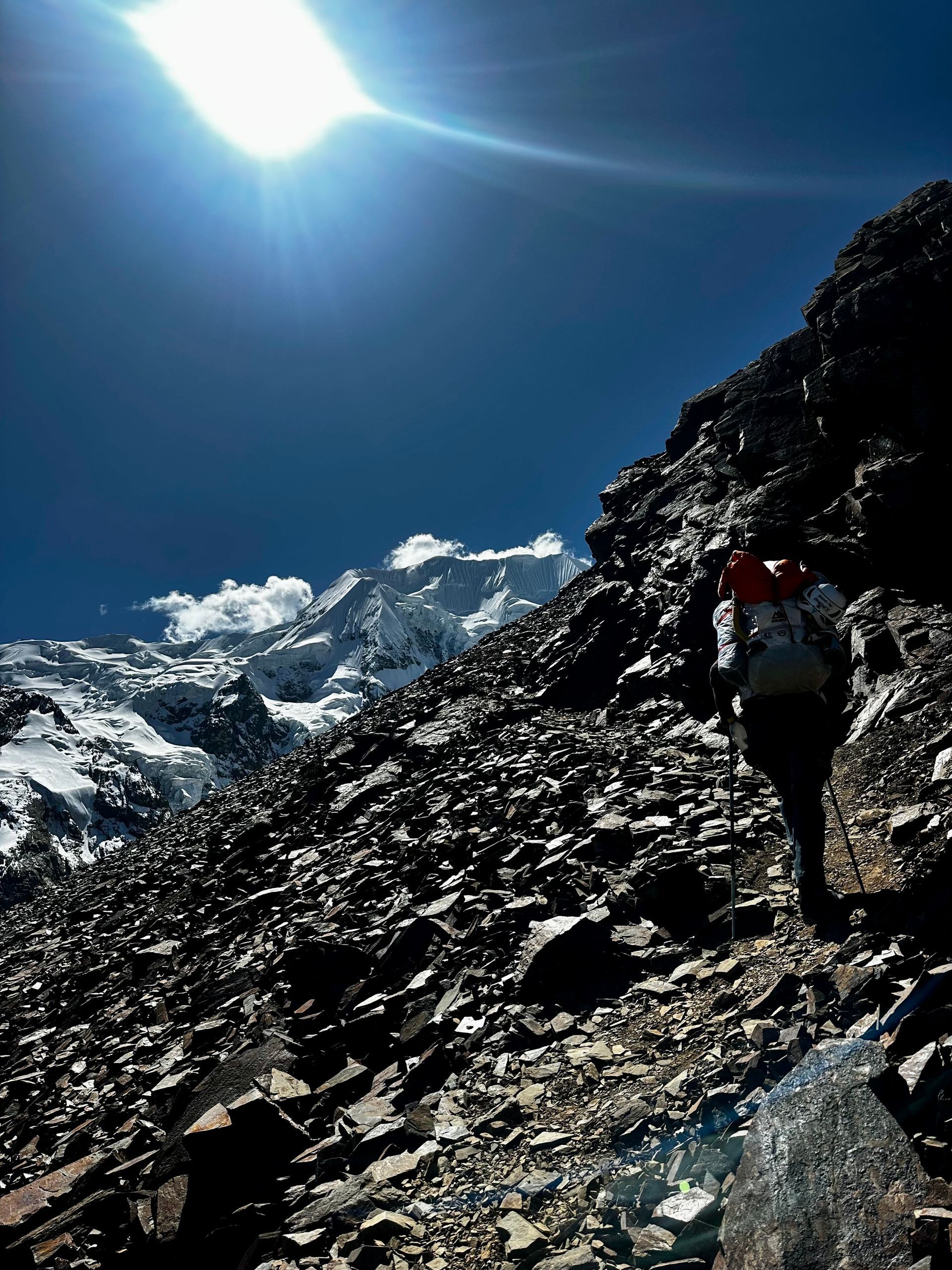
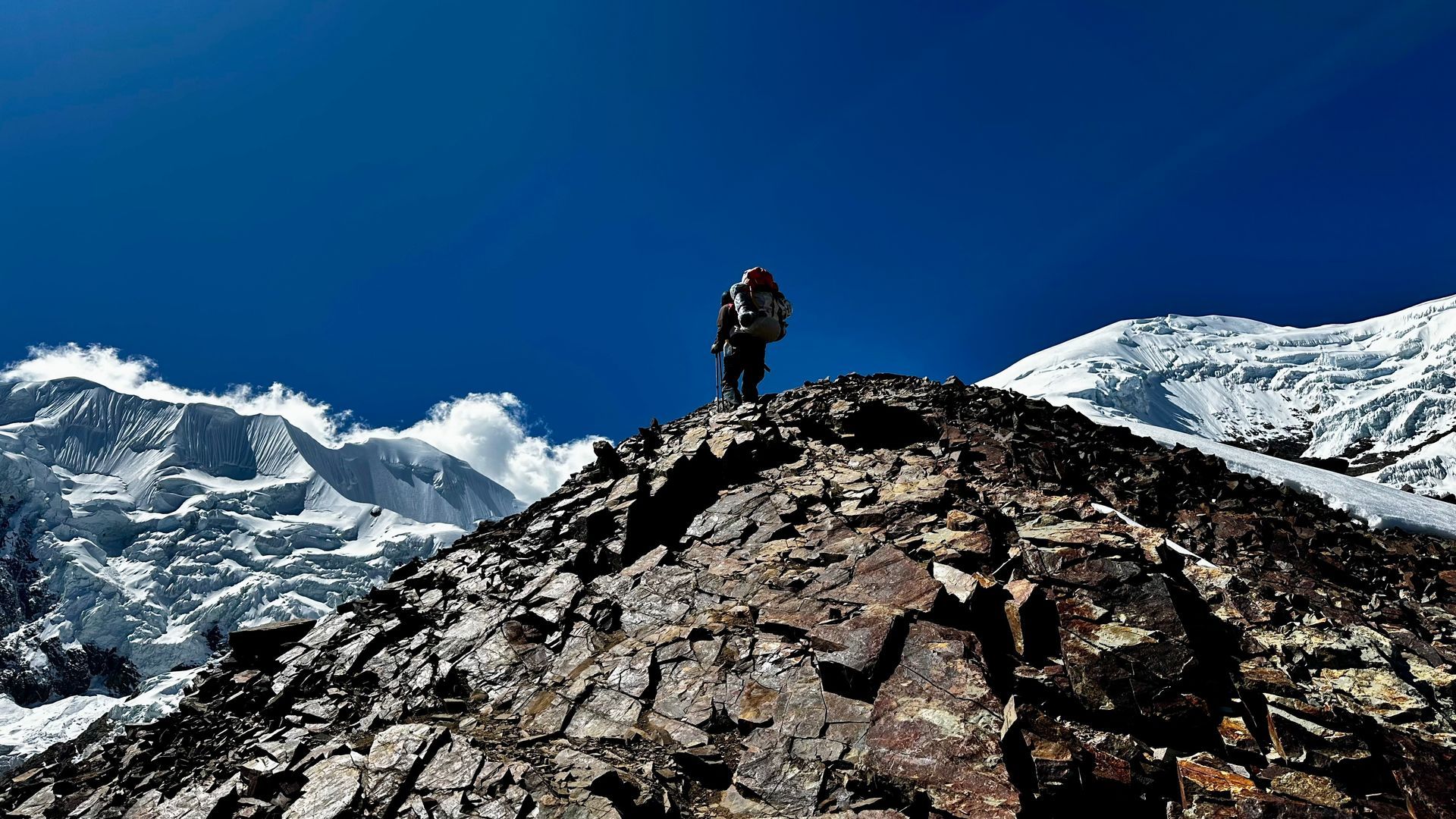
Peru is best known for its iconic Inca Trail, but beyond the crowds lies a completely different world of high-altitude trekking—remote valleys, glacial lakes, and long mountain crossings where you can walk for hours without seeing another group.
These are the routes that define real trekking in the Andes. Quiet, demanding, and deeply rewarding.
At Ascend Andes, we focus on structured high-altitude progression—helping trekkers build endurance, adapt to altitude, and move toward more advanced alpine environments across Peru, Ecuador, and Bolivia.
Here are six remote trekking destinations in Peru that go far beyond the standard routes.
1. Santa Cruz Trek – The Classic High-Altitude Crossing
The Santa Cruz Trek is one of the most iconic routes in the Cordillera Blanca. It combines valley approaches, high mountain passes, and glacier views into a compact multi-day journey.
The highlight is crossing Punta Unión Pass, where the entire range opens into a panoramic view of snow-covered peaks and ice fields.
This trek is ideal for building foundational altitude endurance while experiencing some of the most dramatic scenery in Peru.
2. Huayhuash Circuit – The Ultimate Endurance Trek
The Huayhuash range is one of the most remote trekking regions in South America. Long days, high passes, and constant altitude changes make this one of the most physically demanding treks in the Andes.
Unlike more accessible routes, Huayhuash is about isolation, resilience, and sustained effort over time.
It is a true test of endurance in a high-altitude environment.
3. Ausangate Trek – High-Altitude Glacial Wilderness
The Ausangate region is known for its massive glaciers, turquoise lakes, and extreme altitude terrain. This trek sits at the core of high-Andean culture and landscape.
You move through remote valleys where altitude becomes a constant factor, and every day requires steady pacing and adaptation.
It is one of the strongest routes for developing long-duration high-altitude conditioning.
4. Lares Trek – Cultural High Mountain Route
The Lares Trek blends high-altitude landscapes with traditional Andean communities. Unlike purely remote expeditions, this route includes local villages, agricultural valleys, and cultural interaction.
It still reaches significant altitude, making it a strong introduction to sustained mountain travel.
This trek offers a balance between human connection and alpine environment.
5. Salkantay Trek – Glacier Passes and Alpine Transitions
The Salkantay route passes beneath towering glacier peaks and high mountain passes before descending into cloud forest terrain.
It is a dynamic trek with strong environmental transitions—from cold alpine zones to warmer jungle edges.
This variation makes it one of the most diverse trekking experiences in Peru.
6. Choquequirao Trek – The Lost Inca City Approach
Choquequirao is one of the least visited archaeological sites in the Andes. Reaching it requires long, steep valley descents and ascents through remote terrain.
Unlike more commercial routes, this trek feels isolated and physically demanding from start to finish.
It is ideal for trekkers seeking both history and true remoteness.
Why These Treks Matter for Your Progression
At Ascend Andes, we view trekking as the foundation of high-altitude progression.
These routes are not just destinations—they are preparation for:
- higher altitude adaptation
- multi-day endurance development
- future summit and expedition climbs
This is where your journey in the Andes begins.
Build Your High-Altitude Progression
If you’re ready to move beyond standard trekking routes, our expeditions in Peru, Ecuador, and Bolivia are structured as a progression system—from trekking foundations to summit climbs and technical alpine environments.
👉 Start your journey through the Andes with Ascend Andes.