The Right Trek Sets the Foundation for Bigger Mountains in the Andes
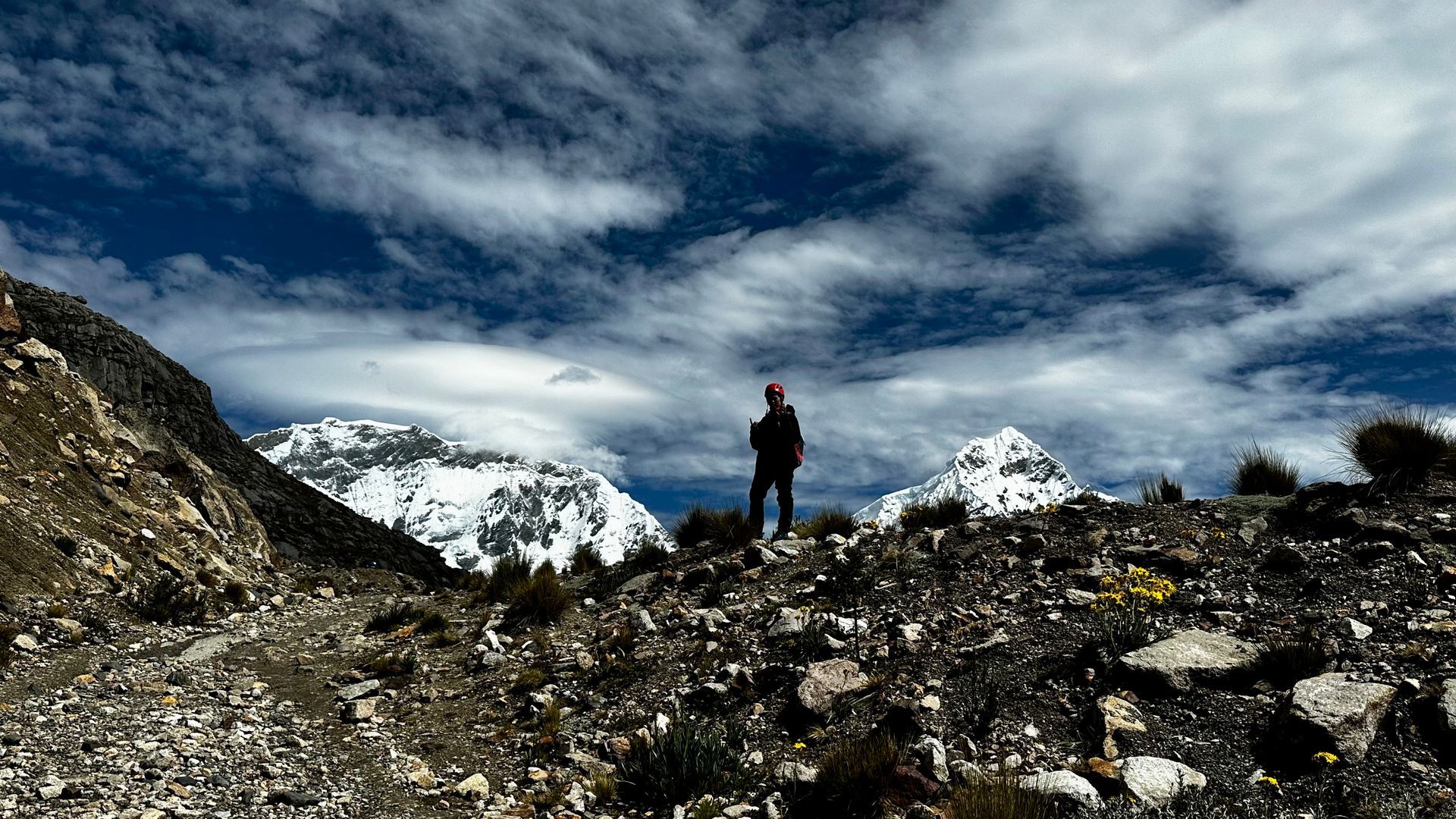
Not every trip in the Andes is about standing on a summit—and honestly, it shouldn’t be. The strongest climbers, the ones who move well at altitude and actually enjoy the experience, don’t start with summits. They start with the right trek. Whether that’s in the highlands outside Cusco or deep in the ranges near Huaraz, these early experiences are where everything begins to click. A good trek isn’t just about getting from point A to point B. It’s where you learn how your body handles altitude, how your mind reacts to long days, and how to move efficiently through real mountain terrain.
Here’s why the right trek matters more than most people think.
Start at the level that builds you, not breaks you
There’s a tendency to jump straight into the hardest option—longer, higher, more extreme. But progression in the mountains doesn’t work like that. The right trek challenges you, but it doesn’t overwhelm you. It gives you space to adapt, to learn, and to build confidence day by day. Routes around Ausangate or within the Cordillera Huayhuash are perfect examples—demanding, but incredibly effective at building real endurance. When you finish a trek like that, you don’t just feel accomplished—you feel ready for more.
Consistency matters more than speed at altitude
One of the biggest shifts people experience in the Andes is realizing that speed doesn’t help you. At altitude, everything slows down. Breathing is heavier, recovery takes longer, and the terrain demands patience. The goal isn’t to move fast—it’s to keep moving consistently. Those 6–8 hour days on the trail teach you something you can’t replicate anywhere else: how to hold a steady pace when your body is under stress. That’s the exact skill you’ll rely on later during summit pushes.
You learn the environment, not just the route
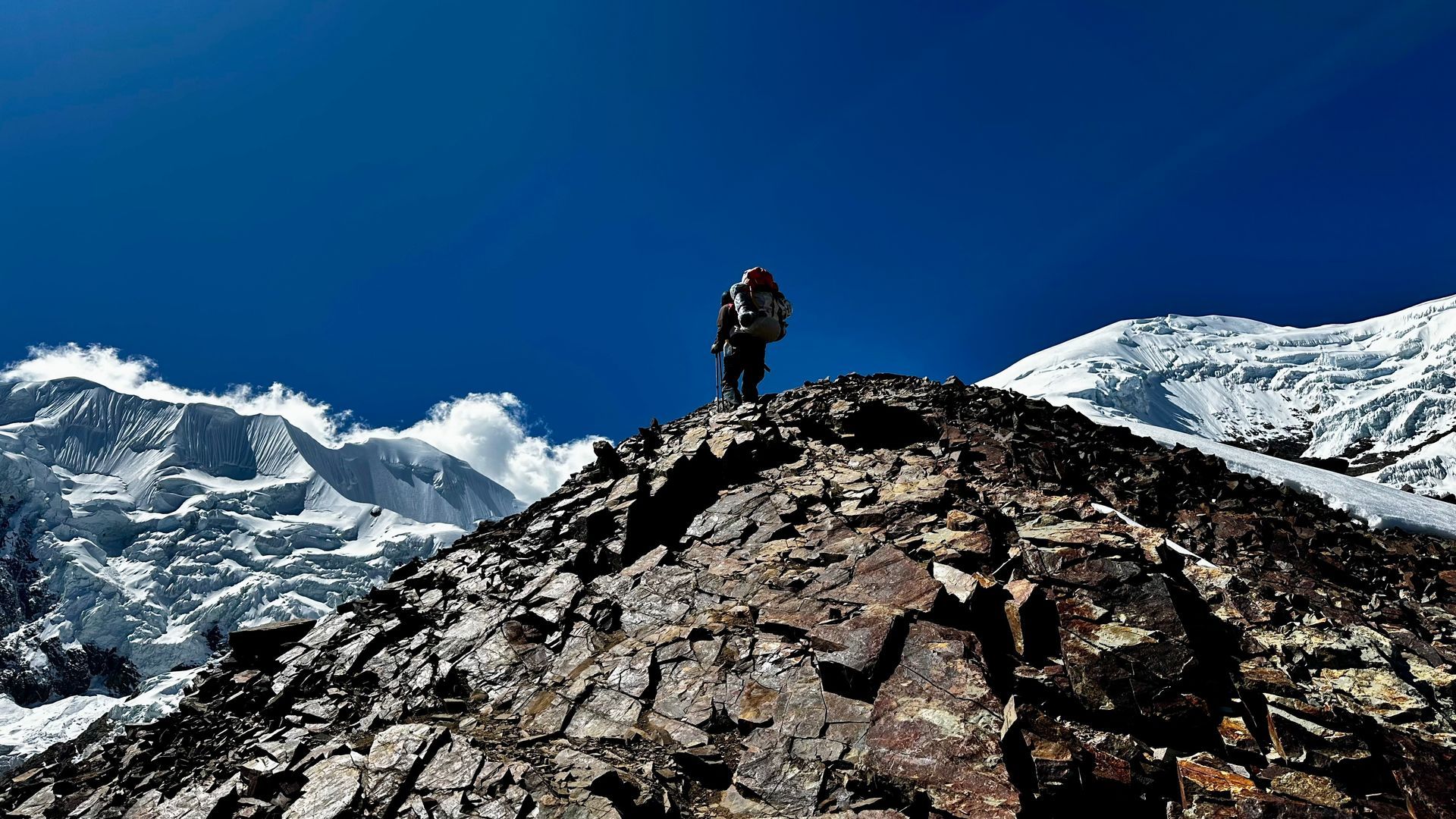
A trek teaches you more than just how to hike—it teaches you how to exist in the mountains. You start to notice how quickly weather shifts. You learn how to layer properly, when to push, when to rest, and how to read the terrain in front of you. In places like the Andes, that awareness matters. It’s what separates someone just passing through from someone actually understanding where they are.
Confidence is built, not assumed
There’s a difference between thinking you can handle a summit and knowing you can. A strong trek builds that confidence naturally. By the end of it, you’ve already spent multiple days above 4,000 meters, handled long distances, and dealt with the physical and mental demands of altitude. That experience stays with you. When you step onto a glacier or start a summit push later on, it doesn’t feel foreign—it feels like the next step.
Every trek should lead somewhere
The way we see it, a trek isn’t the end goal—it’s the beginning of a progression. You start with something like Ausangate or Huayhuash. From there, you move into peaks near Quito, like Cotopaxi, where you learn glacier travel. Then maybe higher, more demanding objectives near La Paz. Each step builds on the last. Nothing is wasted. Every day in the mountains adds to your ability to go further. At the end of the day, the right trek does more than give you good views—it gives you a foundation. It teaches you how to move, how to adapt, and how to handle the demands of high altitude in a real way.
And once you have that foundation, everything else in the Andes starts to open up.